Meth Cleaning & Decontamination Australia-Wide
Your property has tested positive for methamphetamine contamination. TACT Bio Recovery provides professional meth cleaning (Stage 3 decontamination) with independent clearance certification so the property can be safely reoccupied. We travel anywhere in Australia for decontamination work and never subcontract. Same-day across Victoria, planned logistics interstate. We handle the entire remediation process from contaminated material removal through to independent clearance testing.
Fully Insured
Independent Clearance Testing
Confidential Service
The Decontamination Process
What Methamphetamine Decontamination Actually Involves
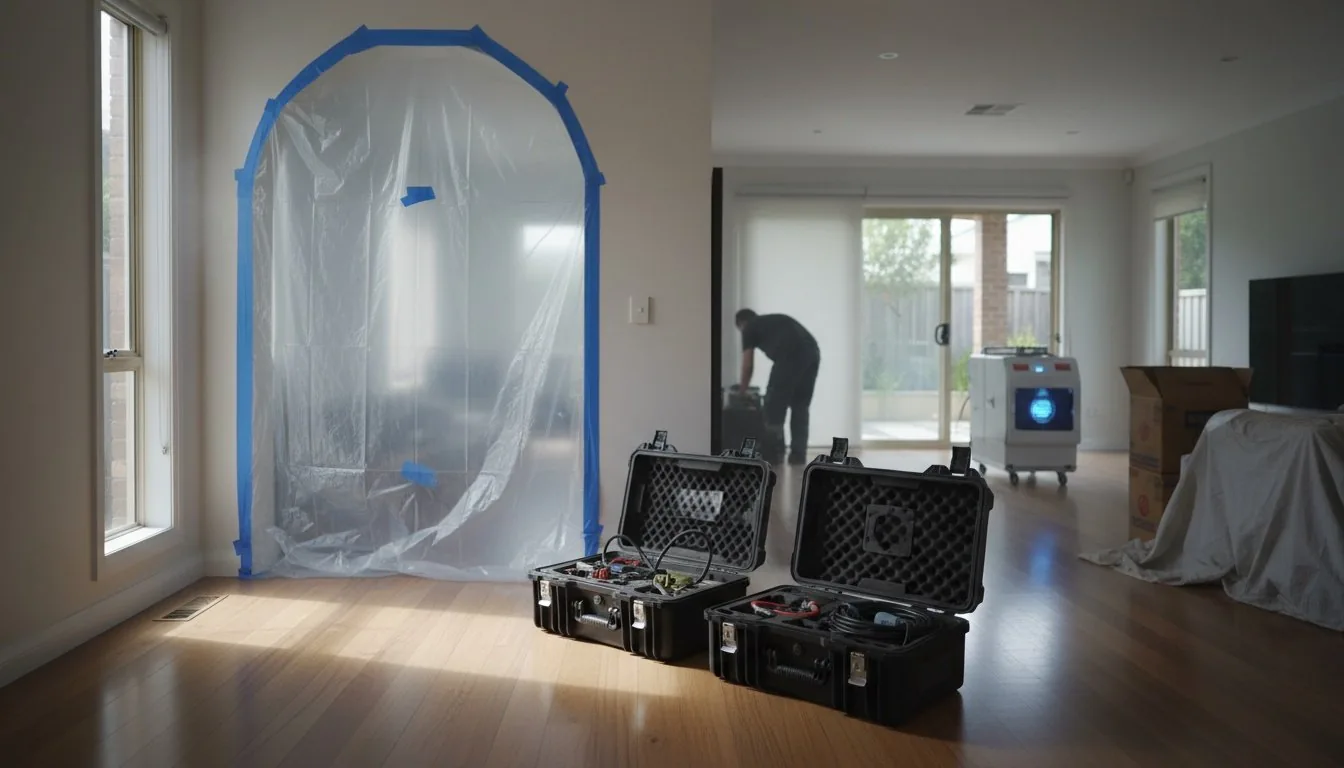
Methamphetamine decontamination is Stage 3 of the regulated three-stage process (screening, assessment, decontamination). It is the service most people search for as meth cleaning, meth cleanup, or a meth cleaning company: in Victoria the regulated term is Stage 3 decontamination, and it is exactly what TACT does. If your property has been through Stages 1 and 2 and returned results above the Australian regulatory threshold of 0.5 micrograms per 100 square centimetres, professional decontamination is required before the property can be safely reoccupied.
Decontamination is not cleaning in the conventional sense. Methamphetamine residue is absorbed into porous surfaces at a molecular level. It penetrates paint, plaster, timber, concrete, carpet, underlay, curtains, and soft furnishings. It also accumulates in HVAC ducting, range hood filters, and ceiling cavity insulation. Standard cleaning products do not remove it. Painting over contaminated surfaces does not seal it. The residue continues to off-gas into living spaces for years.
Chemical Treatment & Clearance
Removal, Treatment, and Independent Verification
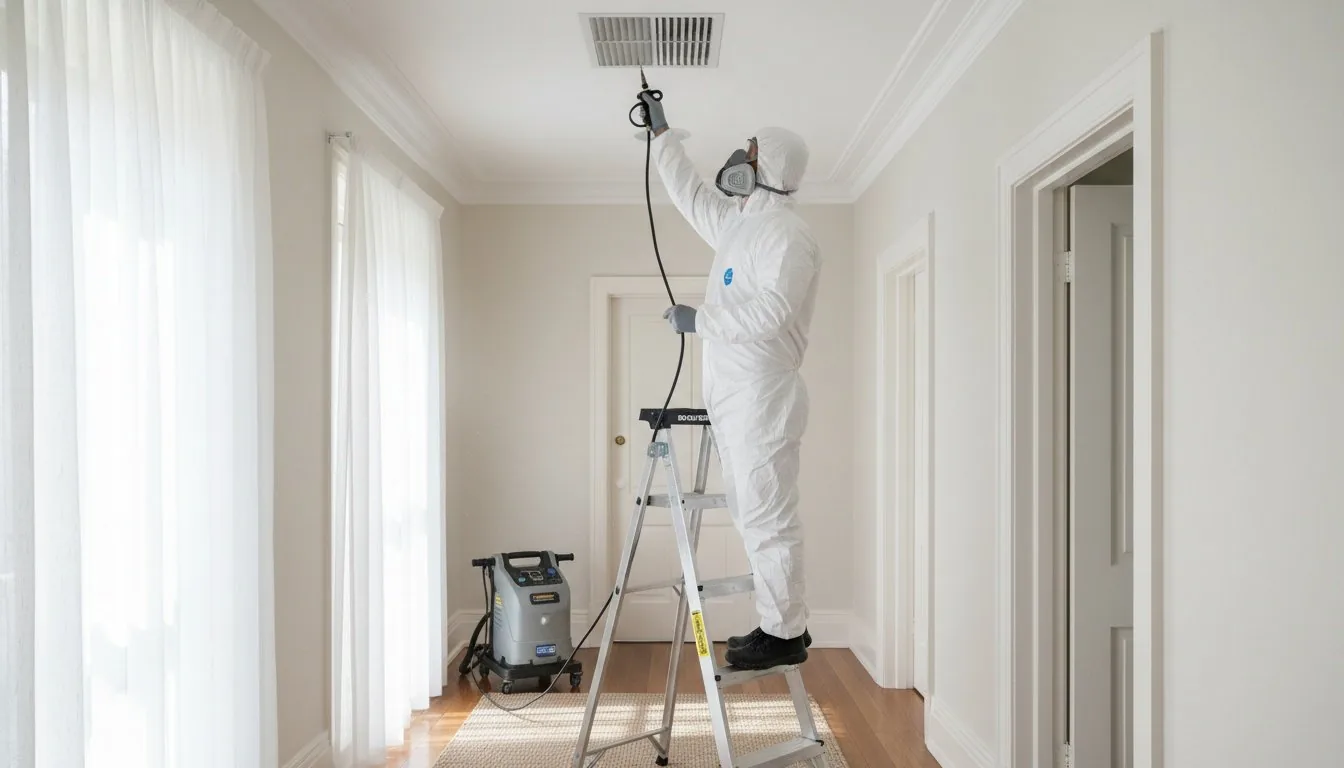
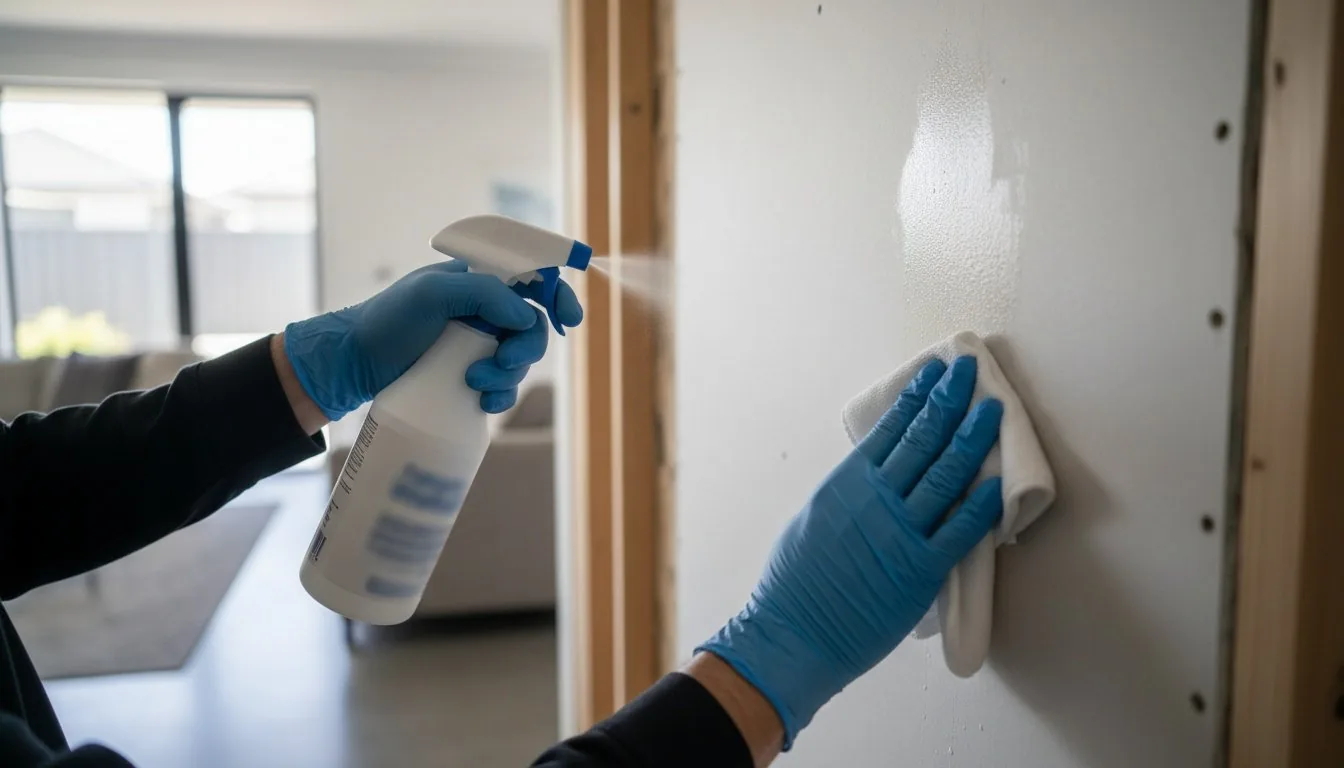
The physical decontamination process involves systematic removal of all contaminated porous materials that cannot be effectively treated. This typically includes carpet, underlay, curtains, blinds, and in heavily contaminated properties, plasterboard and insulation. Remaining hard surfaces (timber framing, concrete, brick, tile) are then treated with specialist chemical wash solutions designed to break down and remove methamphetamine residue.
After chemical treatment, surfaces are sealed with encapsulating coatings that prevent any remaining residue from off-gassing. HVAC systems are cleaned, ducting is treated or replaced, and filters are changed. The entire property is then retested by an independent assessor to confirm contamination levels are below the 0.5 microgram threshold before a clearance certificate is issued.
Full Decontamination Scope
What Our Meth Decontamination Covers
From contaminated material removal through to independent clearance certification, our service addresses every stage of the decontamination process.
- Removal of all contaminated porous materials: carpet, underlay, curtains, soft furnishings
- Chemical wash treatment of all hard surfaces: walls, ceilings, floors, timber framing
- Application of encapsulating sealant coatings to treated surfaces
- HVAC system cleaning, ducting treatment or replacement, filter change
- Range hood, exhaust fan, and ventilation system decontamination
- Ceiling cavity and subfloor treatment where contamination has migrated
- Independent post-remediation clearance testing by a separate assessor
- Clearance certificate issued upon passing independent testing
Regulatory Framework
Victorian Regulations for Meth-Contaminated Properties
In Victoria, methamphetamine contamination in properties is addressed under the Residential Tenancies Act 1997 and Australian regulatory guidelines. The critical threshold is 0.5 micrograms per 100 square centimetres. Properties testing above this level are considered unsafe for habitation.
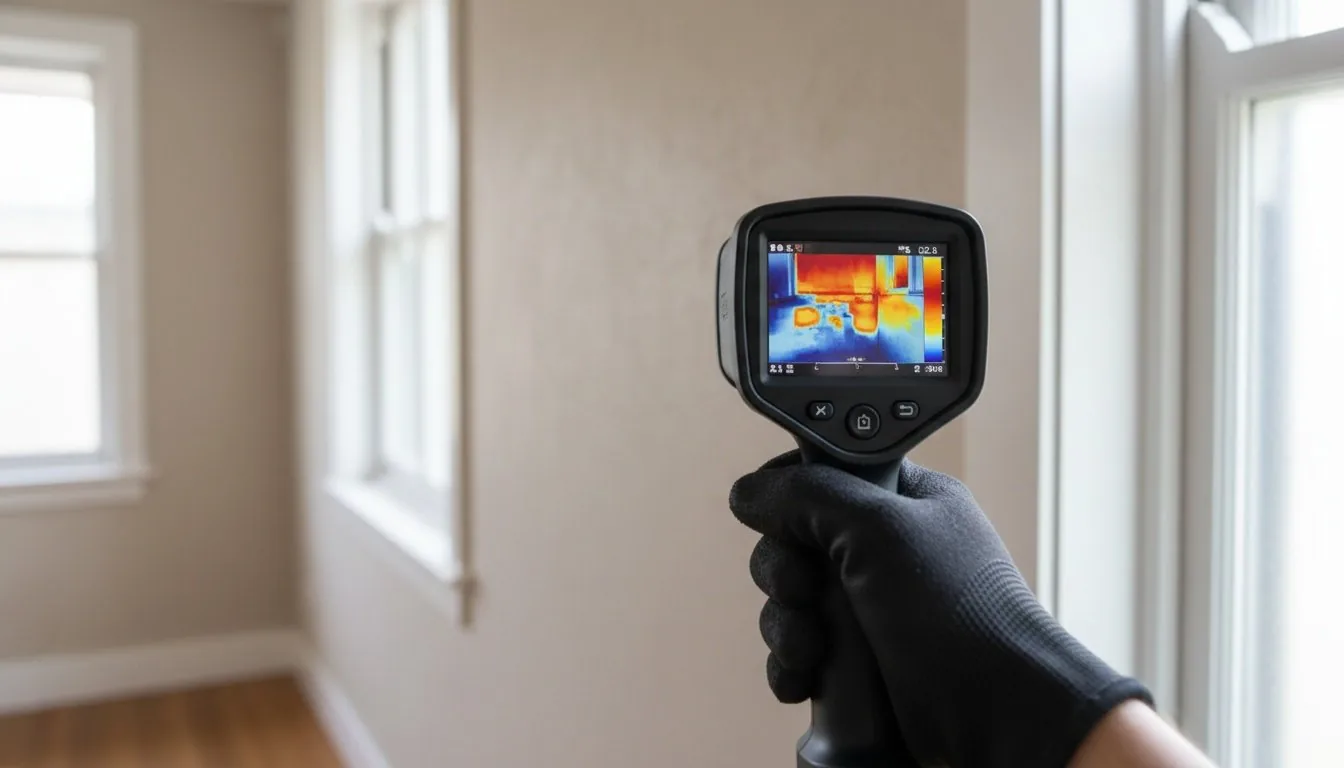
The three-stage process is designed to maintain independence between testing and remediation. Stage 1 (screening) identifies whether contamination is present. Stage 2 (detailed assessment) maps the extent and levels of contamination throughout the property. Stage 3 (decontamination) is the physical remediation work. Critically, the same company should not perform all three stages, as this creates a conflict of interest.
Independence & Obligations
Regulatory Independence and Stage Separation
Landlords have specific obligations under the Residential Tenancies Act. If a rental property is found to be contaminated, the landlord must remediate to below the safe threshold before the property can be re-let. Failure to do so can result in VCAT orders and penalties. For properties being sold, contamination discovered during due diligence can derail settlements or result in post-sale claims.
TACT Bio Recovery performs all three stages of the meth process: screening, assessment, and decontamination. The Victorian regulatory framework prevents us from performing all three on the same property. If we did your earlier-stage testing, an independent company must do this decontamination. If we are doing the decontamination, an independent assessor must have done the testing and must do the clearance after our work.
Health Risks
Why Meth Contamination Cannot Be Ignored
Methamphetamine residue in a property is not just a legal or regulatory issue. It is a genuine health hazard. People living in contaminated properties can absorb meth residue through skin contact with surfaces, through inhalation of off-gassing vapours, and through ingestion (particularly children who touch surfaces then put their hands in their mouths).
Health effects from chronic low-level exposure include headaches, respiratory irritation, nausea, fatigue, sleep disturbances, and skin rashes. Children are disproportionately affected due to their smaller body mass and tendency to touch surfaces and then their faces. Pets are also vulnerable, as they spend time on floors and soft furnishings where residue concentrates.
Use vs Manufacturing
Meth Labs Require More Extensive Remediation
Long-term exposure can cause more serious health effects including liver and kidney damage, neurological symptoms, and immune system suppression. The severity depends on contamination levels and duration of exposure, but the point is clear: contaminated properties should not be occupied until they have been properly remediated and cleared.
Properties where meth was manufactured (cooked) rather than just used typically have much higher contamination levels. Manufacturing produces toxic byproducts including hydrochloric acid, phosphine gas, and various solvents that contaminate surfaces in addition to the methamphetamine itself. These properties require more extensive remediation.
Our Process
How TACT Handles Meth Decontamination
1
Review Assessment Report
We review your Stage 2 assessment report to understand the extent and levels of contamination in each area. We then conduct our own site inspection and develop a detailed remediation scope and fixed-price quote.
2
Material Removal
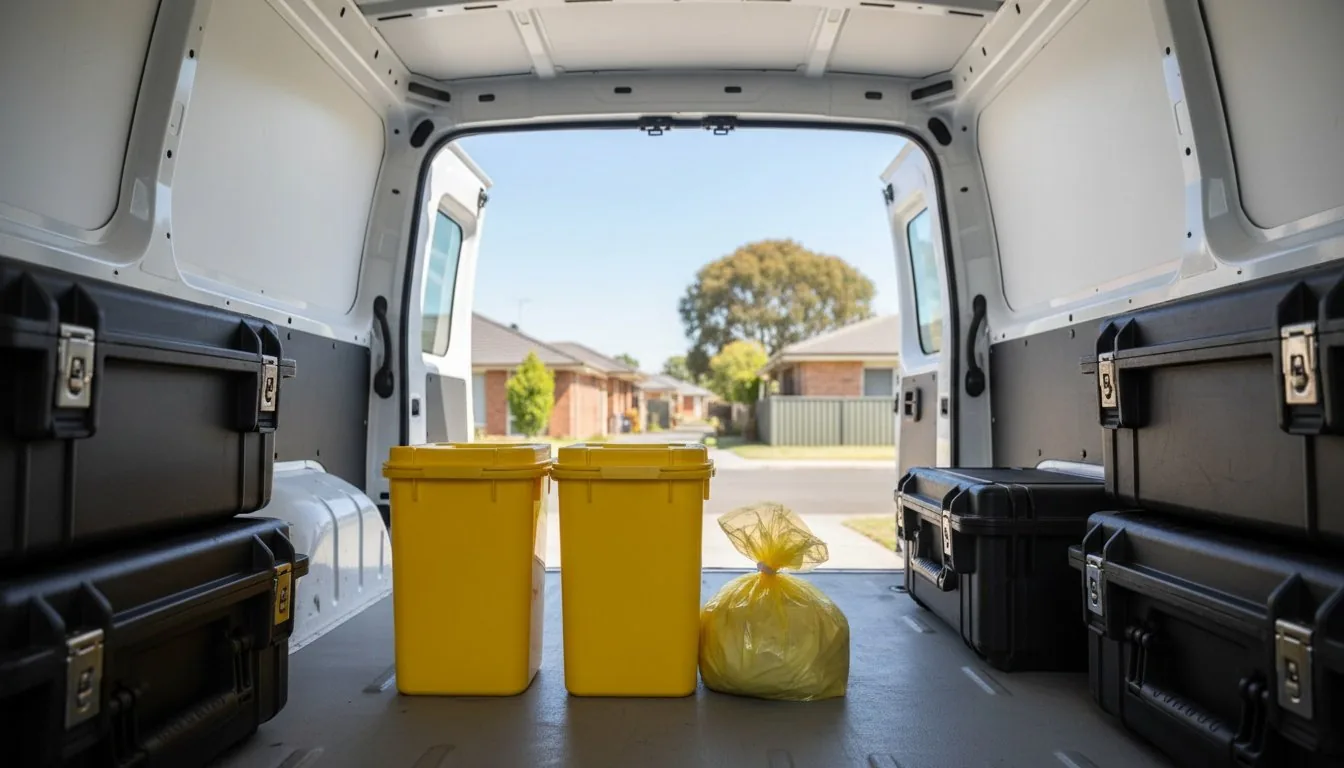
All porous materials above the contamination threshold are removed: carpet, underlay, curtains, affected plasterboard and insulation. Materials are bagged, sealed, and disposed of in compliance with Victorian regulations for contaminated waste.
3
Chemical Treatment & Sealing
Hard surfaces are treated with specialist chemical wash solutions that break down methamphetamine at a molecular level. After drying, surfaces are sealed with encapsulating coatings. HVAC systems are cleaned and treated. The property is then ventilated for a prescribed period.
4
Independent Clearance Testing
An independent assessor (not TACT) conducts post-remediation swab testing across all treated areas. If all results are below 0.5 micrograms per 100cm2, a clearance certificate is issued. If any area fails, we retreat and retest at no additional cost.
Pricing
How Much Does Meth Decontamination Cost in Melbourne?
These costs include material removal, chemical treatment, sealing, HVAC treatment, and regulated waste disposal. Independent clearance testing is arranged and paid for separately (typically $1,500 to $3,000) to maintain the required independence between remediation and testing.
Landlord insurance may cover meth decontamination costs depending on your policy. We provide detailed documentation formatted for insurance claims. If your property is a rental, you may also be able to claim some costs against the tenant's bond through VCAT, though bond amounts rarely cover the full cost of decontamination.
- 1-bedroom unit (low-level use only): $4,500 to $8,000
- 3-bedroom house (moderate contamination): $10,000 to $20,000
- Former meth lab / manufacturing: $20,000 to $35,000+
- Independent clearance testing: $1,500 to $3,000 (separate)
FAQs
Meth Decontamination Questions
Most residential properties take 5 to 10 working days for the decontamination work itself. After that, independent clearance testing takes an additional 3 to 5 business days for results. Total timeline from start to clearance certificate is typically 2 to 3 weeks.
No. The property must be vacated during the entire decontamination process. The chemicals used for treatment, the removal of materials, and the potential for disturbing contaminated dust make it unsafe to occupy. You should not return until clearance testing confirms the property is safe.
The Australian regulatory threshold is 0.5 micrograms per 100 square centimetres. This is the investigation level set out in the Victorian Department of Health clandestine laboratory remediation guidance. Properties testing above this level are considered unsafe for habitation. After decontamination, independent clearance testing must confirm all areas are below this threshold before a clearance certificate can be issued.
If any area fails post-remediation clearance testing, we retreat those areas and arrange retesting at no additional cost to you. Our fixed-price quote covers the work needed to achieve clearance, not just a single treatment attempt.
Not on the same property. The Victorian regulatory framework requires independence between assessment (testing) and remediation (decontamination), which prevents conflicts of interest where an assessor might overstate contamination to generate remediation work. TACT performs every stage, but never assessment and decontamination on the same property. When we decontaminate, we work from your independent assessor's report and an independent assessor conducts the clearance testing. Not tested yet? Start with meth testing.
"Meth cleaning" is the everyday name for what Victorian regulations call Stage 3 decontamination, and it is exactly the service on this page. A professional meth cleaning company removes contaminated porous materials, chemically treats hard surfaces, seals them with encapsulating coatings, decontaminates the HVAC system, and arranges independent clearance testing. Standard cleaners and standard cleaning products cannot do this: methamphetamine residue is absorbed into surfaces at a molecular level and requires specialist chemical treatment.
Yes. TACT handles commercial meth decontamination Australia-wide: rental portfolios, motels, boarding houses, offices, and retail premises. Commercial jobs follow the same regulated process as residential, with fixed-price quotes from the Stage 2 assessment, after-hours scheduling to minimise business disruption, and full documentation for insurers and property managers.
No. Standard paint does not seal methamphetamine residue. The contamination continues to off-gas through the paint layer into living spaces. Specialist encapsulating sealant coatings are required after chemical treatment to effectively seal any remaining trace residue. Simply painting over contaminated surfaces is not a recognised remediation method.
It depends on your specific policy. Many landlord insurance policies cover property damage caused by tenants, which can include meth contamination. Check your policy for exclusions related to illegal activity. We provide detailed documentation and can work with your insurer to support your claim.
All contaminated materials (carpet, underlay, plasterboard, insulation, curtains) are bagged, sealed, and disposed of through licensed waste facilities with full chain-of-custody documentation. These materials cannot be placed in standard waste streams.
Have a Positive Meth Test Result?
Call us to discuss your assessment report. We will explain the decontamination process, provide a fixed-price quote, and guide you through next steps.
Get In Touch
Get Your Free Quote
Tell us about your situation and we will get back to you within 2 hours during business hours.