Biohazard Cleaning Australia-Wide
Biohazard cleaning is the safe removal, decontamination, and disposal of biological and chemical materials that pose health risks. TACT Bio Recovery provides IICRC-certified biohazard remediation with same-day response across Victoria, and Australia-wide travel for interstate jobs. We never subcontract: the TACT team does the work, wherever it is, with regulated waste disposal and full documentation.
IICRC Licensed & Certified
Police-Checked Technicians
Fully Insured
What Is Biohazard Cleaning
What Counts as a Biohazard and What Does Cleanup Involve?
A biohazard is any biological or chemical material that poses a risk to human health. This is a broad category that covers everything from a small blood spill to a full property contaminated by decomposition. The common thread is that these materials require specialist handling, protective equipment, and regulated disposal that standard cleaning companies are not equipped to provide.
Blood is the most common biohazard we deal with. Even a small amount of blood can carry bloodborne pathogens including Hepatitis B (which survives on dried surfaces for up to seven days), Hepatitis C (viable for up to six weeks), and HIV. Blood spills from accidents, medical emergencies, assaults, or self-harm all require the same level of professional remediation.
Beyond Blood Spills
The Full Range of Biohazard Situations
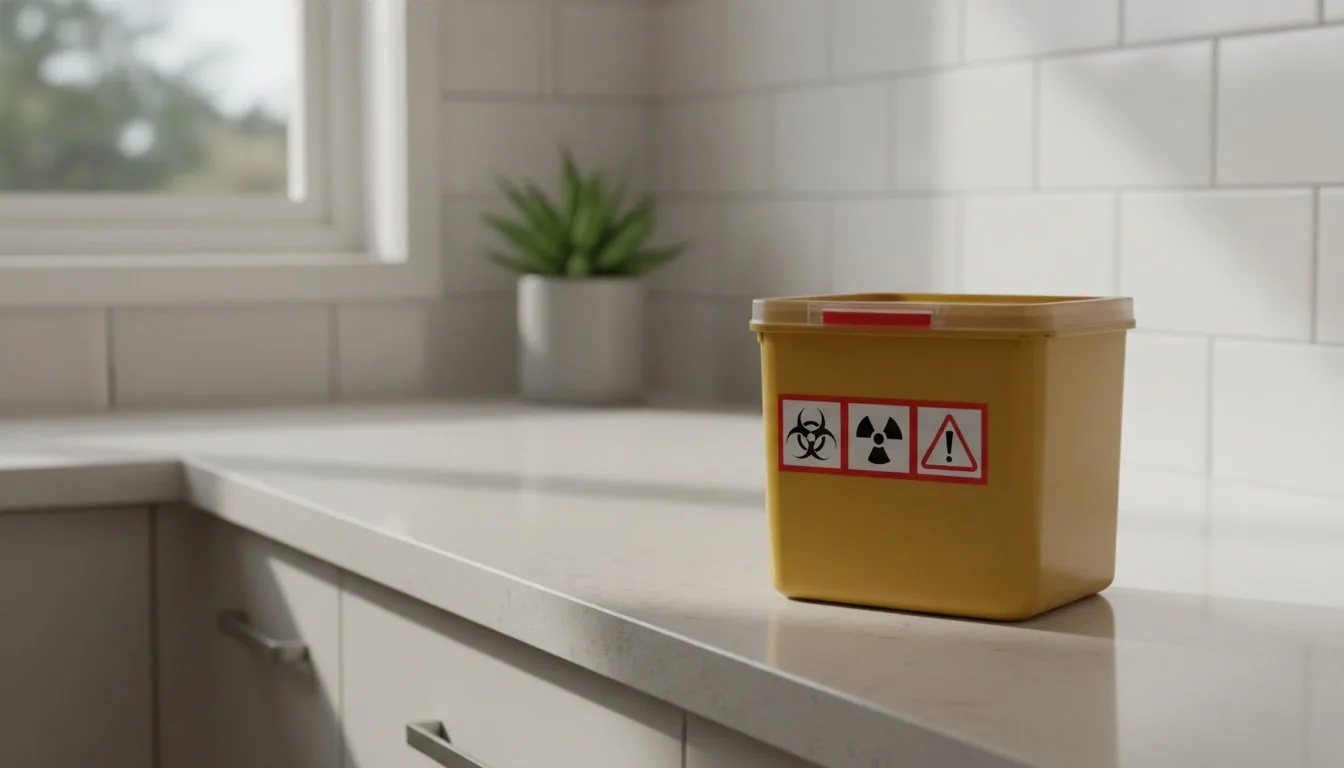
Bodily fluids beyond blood also constitute biohazards: vomit, urine, faeces, and any fluid containing blood. Sharps (needles, syringes, lancets, broken glass contaminated with blood) are a specific biohazard category with their own handling and disposal requirements. We regularly respond to sharps found in rental properties, public spaces, car parks, and commercial premises.
Less obvious biohazards include decomposition fluids from unattended death, animal remains, chemical spills involving toxic or corrosive substances, and materials contaminated by infectious diseases. Each type requires a specific remediation approach, but the core protocol is the same: contain, remove, decontaminate, verify, dispose.
From blood spills to infectious disease decontamination, our IICRC-certified team handles every type of biohazard situation.
- Blood spill cleanup: accidents, medical emergencies, assaults, self-harm
- Bodily fluid remediation: all types on all surface materials
- Sharps and needle collection with approved sharps containers
- Decomposition fluid and tissue removal (unattended death)
- Human and animal waste decontamination
- Chemical spill cleanup and neutralisation
- Infectious disease decontamination (COVID-19, norovirus, MRSA)
- Hoarding-related biohazard remediation (animal waste, vermin, food waste)
Who Needs Biohazard Cleaning
Common Situations and Who Is Responsible
The most common biohazard cleaning requests come from property managers dealing with tenant situations (unattended death, hoarding, sharps), homeowners after traumatic events, businesses after workplace incidents, and councils or body corporates dealing with public area contamination.
In all cases, the property owner or occupier is responsible for ensuring biohazard contamination is professionally remediated. Under the Occupational Health and Safety Act 2004, employers must ensure workplaces are free from health risks, which includes remediating biohazard contamination after workplace incidents. Property managers must arrange remediation before re-letting a contaminated property.
Regulated Waste & Insurance
Regulated Waste Disposal and Insurance Coverage
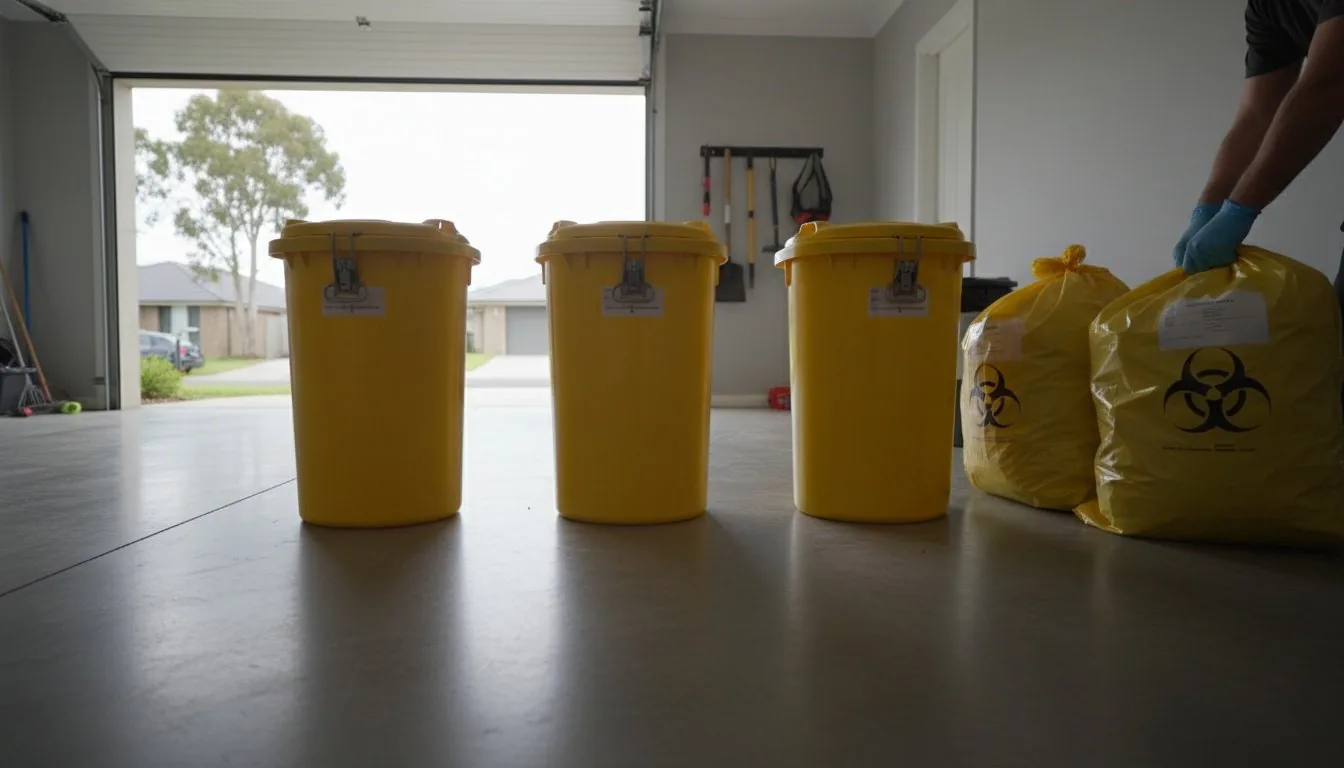
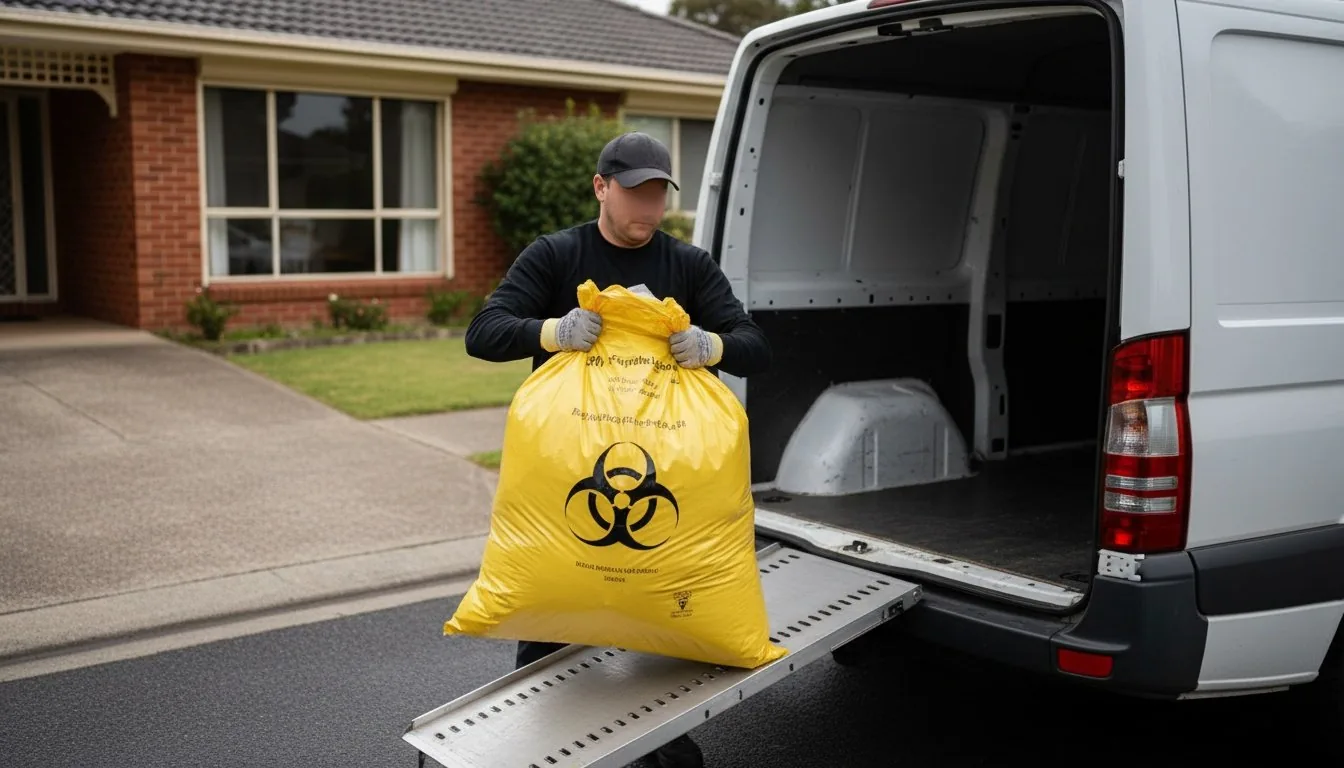
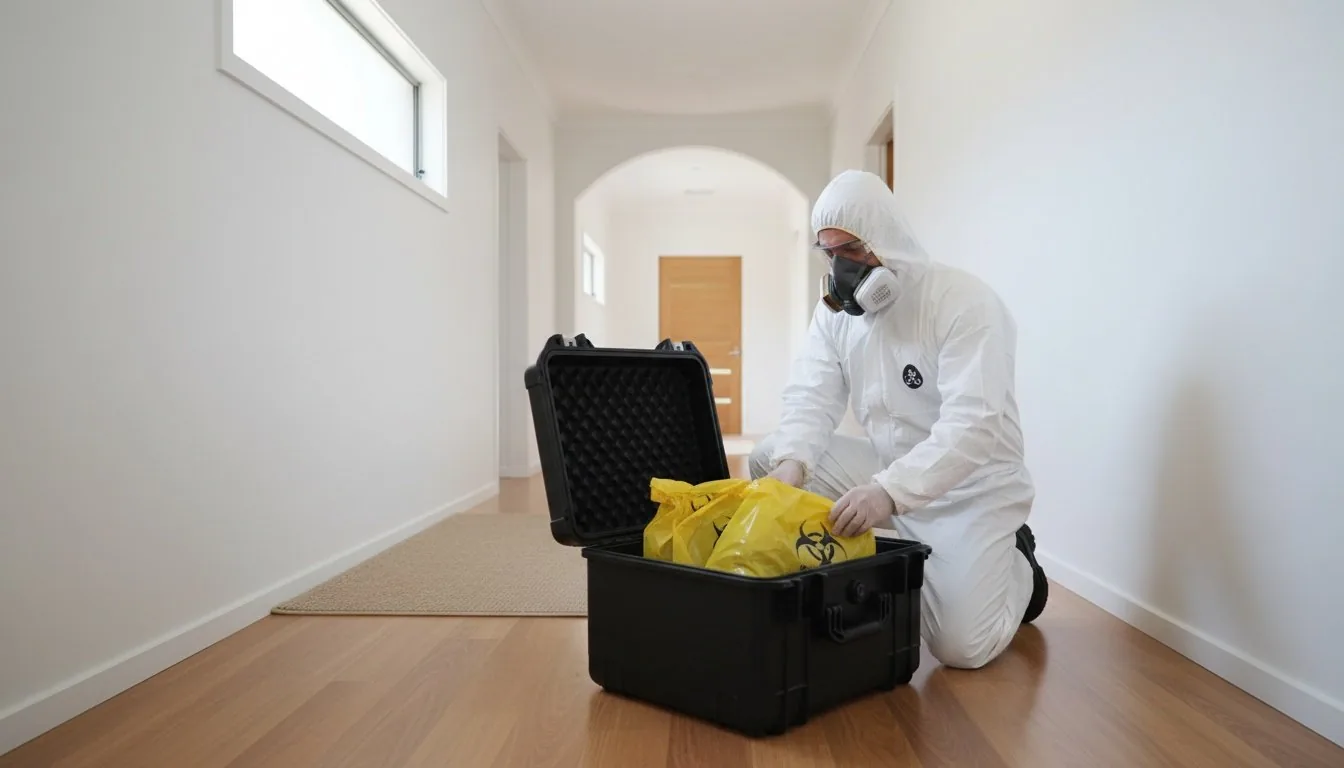
In Victoria, biohazardous waste disposal is regulated under the Environment Protection Act 2017. Clinical and related waste (which includes blood-contaminated materials, sharps, and decomposition waste) must be classified, packaged in approved containers, labelled, transported by a licensed carrier, and disposed of at a licensed facility. Full chain-of-custody documentation is required. Placing biohazardous waste in household bins or general waste skips is illegal.
Insurance typically covers biohazard cleaning. Home and contents policies, landlord insurance, business insurance, and strata insurance generally include provisions for biohazard remediation. We provide complete documentation formatted for Australian insurers and can manage the claims process on your behalf.
Health Risks
Why You Should Never Clean Up Biohazards Yourself
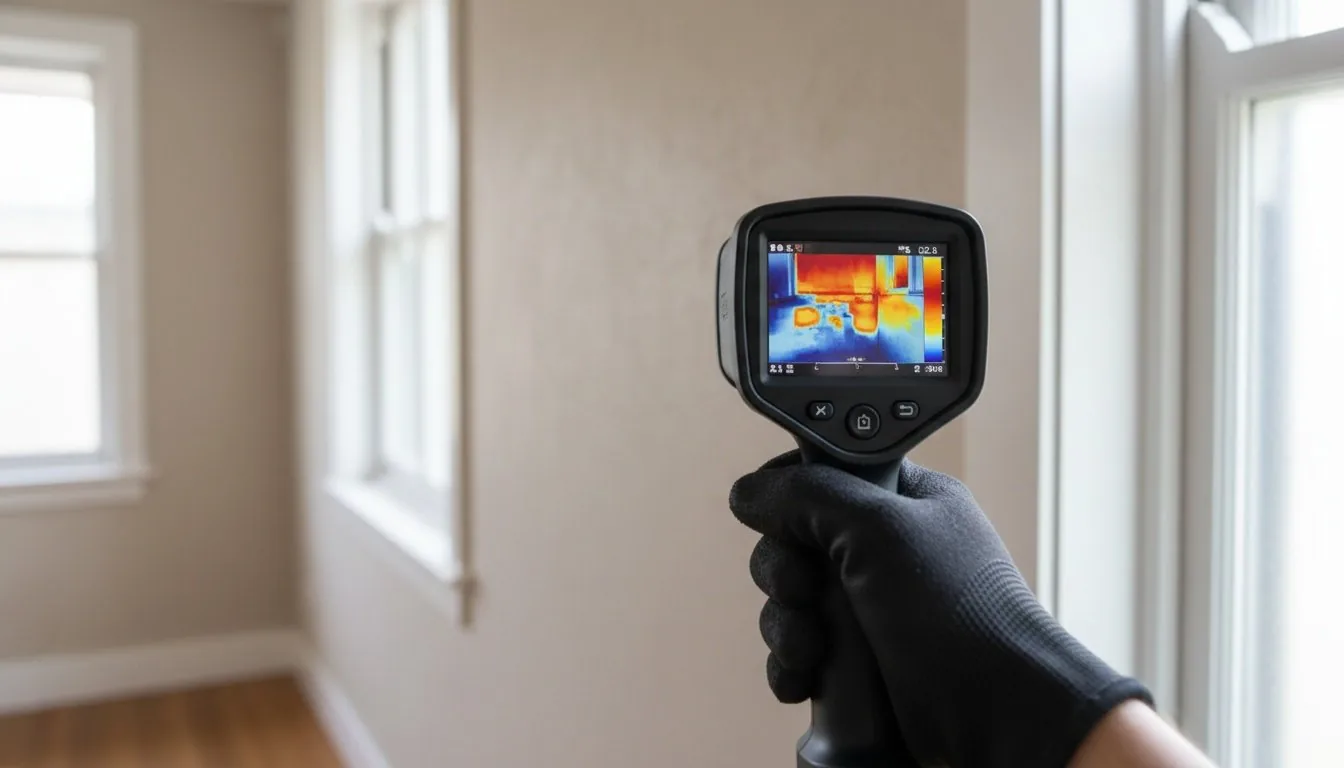
Biohazardous materials carry serious health risks that are invisible to the naked eye. A surface that looks clean can still harbour dangerous pathogens. Household cleaning products do not reliably kill bloodborne pathogens, and improper cleaning techniques can spread contamination to previously unaffected areas.
The primary risks are bloodborne pathogen exposure (Hepatitis B, Hepatitis C, HIV), bacterial infection from decomposition fluids and similar materials, respiratory illness from airborne spores and volatile compounds, and needlestick injury from hidden sharps. These risks exist even with small amounts of material.
IICRC Certification
Every TACT Technician Is Certified
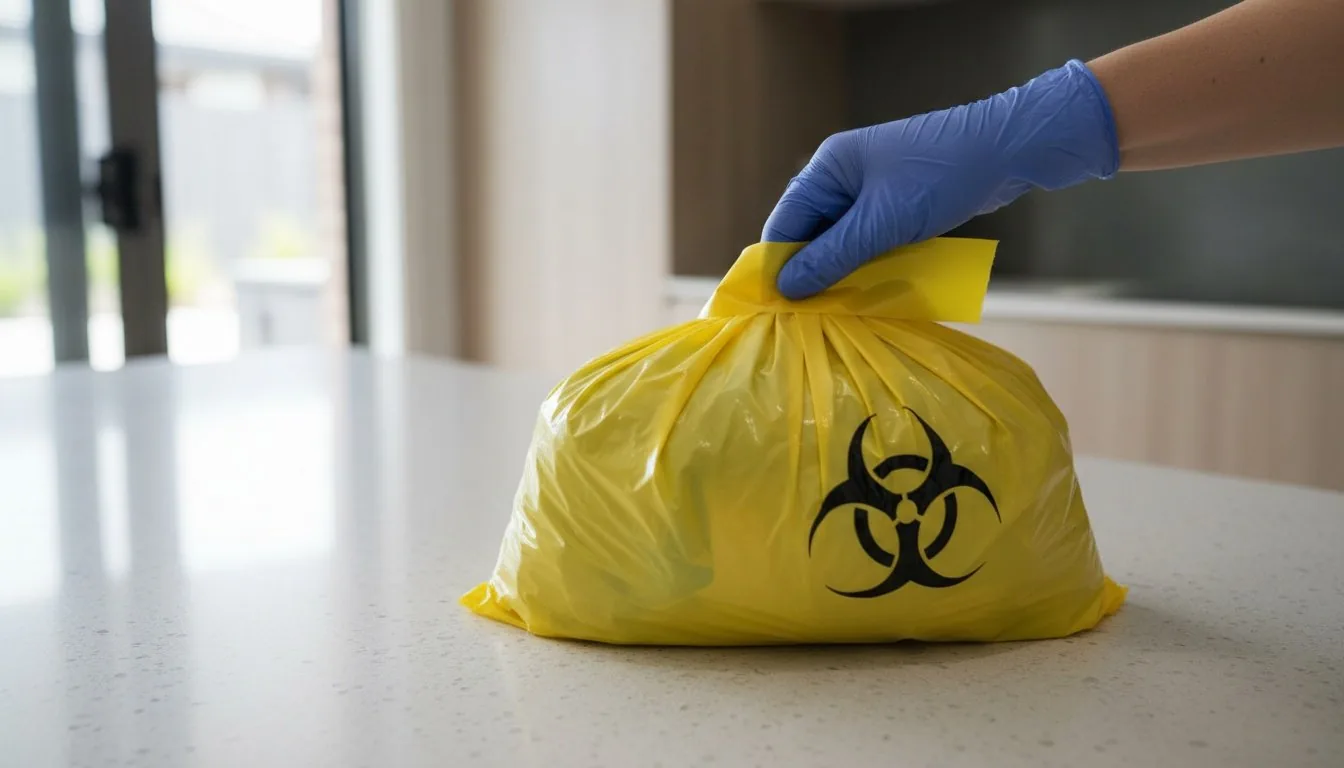
Standard commercial cleaning companies are not equipped for biohazard work. They lack the PPE (full-face respirators, Tyvek suits, double gloving), the specialist cleaning agents (enzymatic cleaners, hospital-grade disinfectants), the containment protocols, and the regulated waste disposal channels that biohazard remediation requires.
IICRC certification in biohazard remediation is the recognised standard in Australia. This certification covers bloodborne pathogen safety, personal protective equipment protocols, containment and decontamination procedures, waste classification and disposal, and regulatory compliance. Every TACT technician holds current IICRC certification.
Our Process
How Biohazard Cleaning Works
1
Assessment & Containment
We assess the type, extent, and location of contamination. Containment barriers are established to prevent cross-contamination of unaffected areas. You receive a detailed scope and fixed-price quote before any work begins.
2
Biohazard Removal
All biohazardous material is removed from surfaces and subsurface materials. Contaminated items that cannot be decontaminated (carpet, soft furnishings, porous materials) are removed for disposal. Sharps are collected in approved sharps containers.
3
Decontamination & Treatment
All affected surfaces are treated with hospital-grade disinfectants and enzymatic cleaners. Odour treatment is applied where needed. Air scrubbers remove airborne contaminants. Every surface is treated to eliminate pathogens at a microscopic level.
4
Verification & Disposal
ATP testing verifies surfaces are decontaminated. All waste is packaged, labelled, and disposed of through licensed waste facilities with full chain-of-custody documentation. You receive a clearance report and insurance-ready documentation.
Biohazard Decontamination
Biohazard Decontamination: Why It Goes Beyond Cleaning
Biohazard decontamination is different from cleaning. Cleaning removes what you can see; decontamination eliminates the pathogens you cannot. After a confirmed contamination event (an infectious disease, a crime scene, a vehicle, or a clinical incident) a surface can look spotless and still carry live bloodborne pathogens. Professional biohazard decontamination treats every affected surface with hospital-grade disinfectants and enzymatic agents, then verifies the result with ATP testing so the area is proven safe, not just visibly clean.
Our IICRC-certified technicians follow strict decontamination protocols: full containment, controlled removal of contaminated porous materials, application of validated disinfectants for the specific pathogen, air scrubbing to capture airborne contaminants, and a final clearance check. All biohazard waste generated during decontamination is sealed in approved containers and disposed of through licensed facilities with full chain-of-custody documentation. This is the standard insurers, property managers, and regulators expect, and it is the only way to return a contaminated space to safe use.
Pricing
How Much Does Biohazard Cleaning Cost in Melbourne?
All quotes are fixed-price. You know exactly what you will pay before we start. No hourly rates, no hidden charges. The main cost factors are the volume and type of biohazardous material, the surfaces affected, the size of the contaminated area, and whether odour treatment is required.
Insurance typically covers biohazard cleaning. We handle all documentation and can manage the claims process with your insurer directly.
- Sharps cleanup: $500 to $1,500
- Small contained blood spill: $800 to $2,000
- Multi-room or decomposition: $3,000 to $25,000+
- Fixed-price quotes, insurance liaison included
FAQs
Biohazard Cleaning Questions
TACT Bio Recovery is a Melbourne-based biohazard cleaning specialist serving all of Victoria same-day (typically within 2 to 4 hours) and travelling Australia-wide. We are IICRC licensed and certified, work to the ANSI/IICRC S540 Standard for Trauma and Crime Scene Cleanup, and are fully insured, WorkSafe compliant, with every technician police-checked. Unlike franchises, we never subcontract: the TACT team does every job, with hospital-grade decontamination, ATP verification, and licensed clinical-waste disposal. Call (03) 9970 9777, any hour.
A biohazard clean is any cleaning situation involving materials that pose a risk to human health. This includes blood, bodily fluids, human tissue, sharps (needles, syringes), chemical contaminants, decomposition fluids, animal waste, and materials contaminated with infectious pathogens. These situations require specialist training, PPE, and regulated waste disposal.
Biohazard cleaning involves four stages: containment (isolating the affected area), removal (extracting all biohazardous material including contaminated porous items), decontamination (treating surfaces with hospital-grade disinfectants and enzymatic cleaners), and verification (ATP testing to confirm the area is safe). All waste is disposed of through licensed waste facilities.
Same day across metropolitan Melbourne, typically within 2 to 4 hours. For emergencies involving active health risks (chemical spills, decomposition), we prioritise the fastest possible response. Call us on (03) 9970 9777.
We advise against it. Even small amounts of blood can carry bloodborne pathogens that are invisible. If you must contain a small spill before professionals arrive, wear disposable gloves, avoid touching your face, use paper towels to absorb (do not wipe), place everything in a sealed plastic bag, and wash your hands thoroughly. Then call us for professional decontamination.
Yes. We regularly respond to sharps found in rental properties, public spaces, car parks, playgrounds, and commercial premises. Our technicians safely collect all sharps using approved containers and decontaminate the surrounding area. Do not attempt to pick up needles yourself.
Cleaning and disposing of biohazard waste is a controlled, four-stage process. First we contain the affected area to stop cross-contamination. Next we remove all biohazard waste, including porous items like carpet and soft furnishings that cannot be decontaminated. We then decontaminate every surface with hospital-grade disinfectants and verify the result with ATP testing. Finally, all biohazard waste is sealed in approved clinical-waste containers, transported by a licensed carrier, and destroyed at a licensed facility, with full chain-of-custody documentation provided for your records and any insurance claim.
Biohazardous waste disposal in Victoria is regulated under the Environment Protection Act 2017. Clinical and related waste must be classified, placed in approved containers, labelled, transported by a licensed carrier, and disposed of at a licensed facility. Full chain-of-custody documentation is maintained on every job.
In most cases, yes. Home and contents insurance, landlord insurance, business insurance, and strata policies typically cover biohazard remediation. We provide detailed documentation formatted for insurance claims and can manage the entire claims process on your behalf.
Yes. We provide infectious disease decontamination for properties, workplaces, and vehicles. This includes COVID-19, norovirus, gastroenteritis outbreaks, MRSA, and other communicable diseases. Our protocols follow Department of Health guidelines for each specific pathogen.
Need Biohazard Cleaning in Melbourne?
Do not put yourself at risk. Call us for certified biohazard remediation with same-day response.
Get In Touch
Get Your Free Quote
Tell us about your situation and we will get back to you within 2 hours during business hours.
Melbourne, Victoria (all VIC)
Same-day emergency response