
Grow House Cleanup & Remediation Melbourne
Former cannabis grow houses harbour mould, chemical contamination, electrical hazards, and structural damage that standard cleaning cannot address. TACT Bio Recovery provides specialist assessment and full remediation to return properties to a safe, habitable condition that meets Victorian health and safety standards.
IICRC Certified Technicians
Mould, Chemical & Structural Remediation
Clearance Documentation Provided
The Hidden Damage
What Cannabis Grow Houses Leave Behind
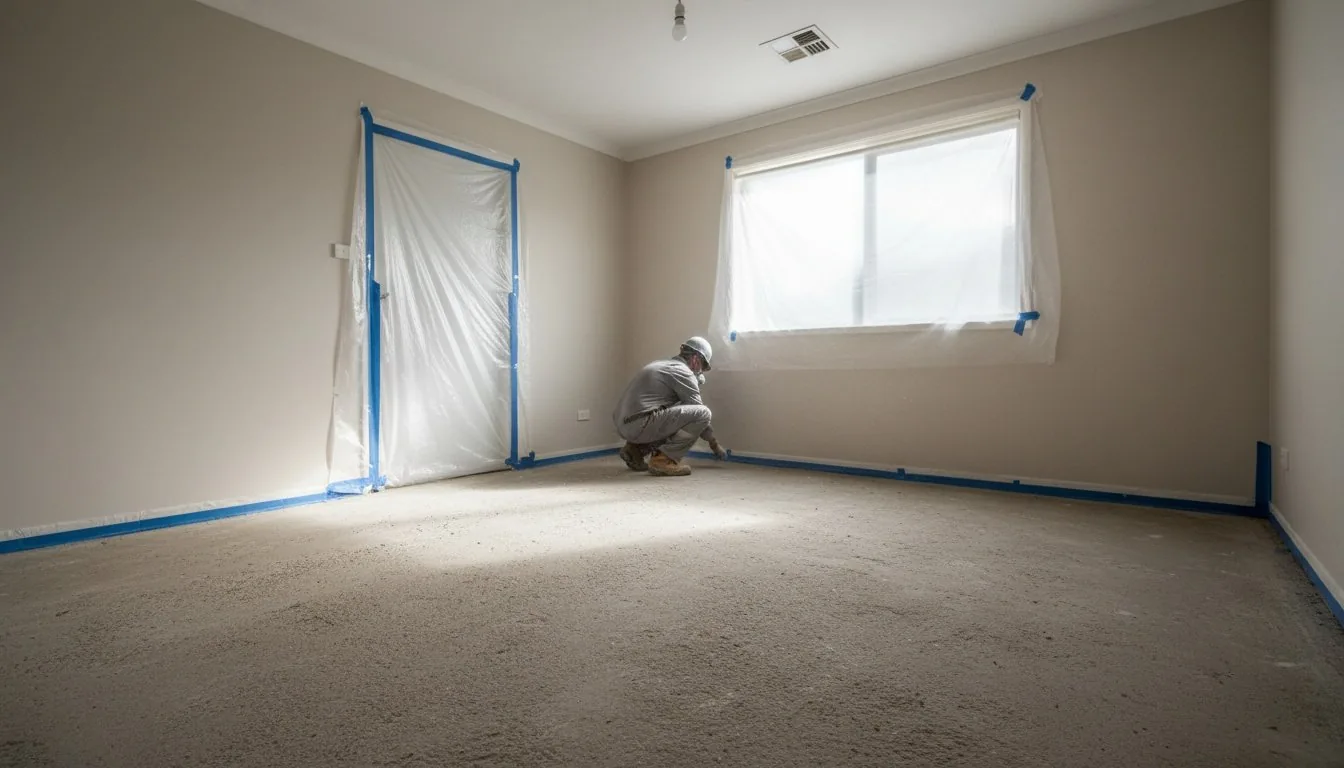
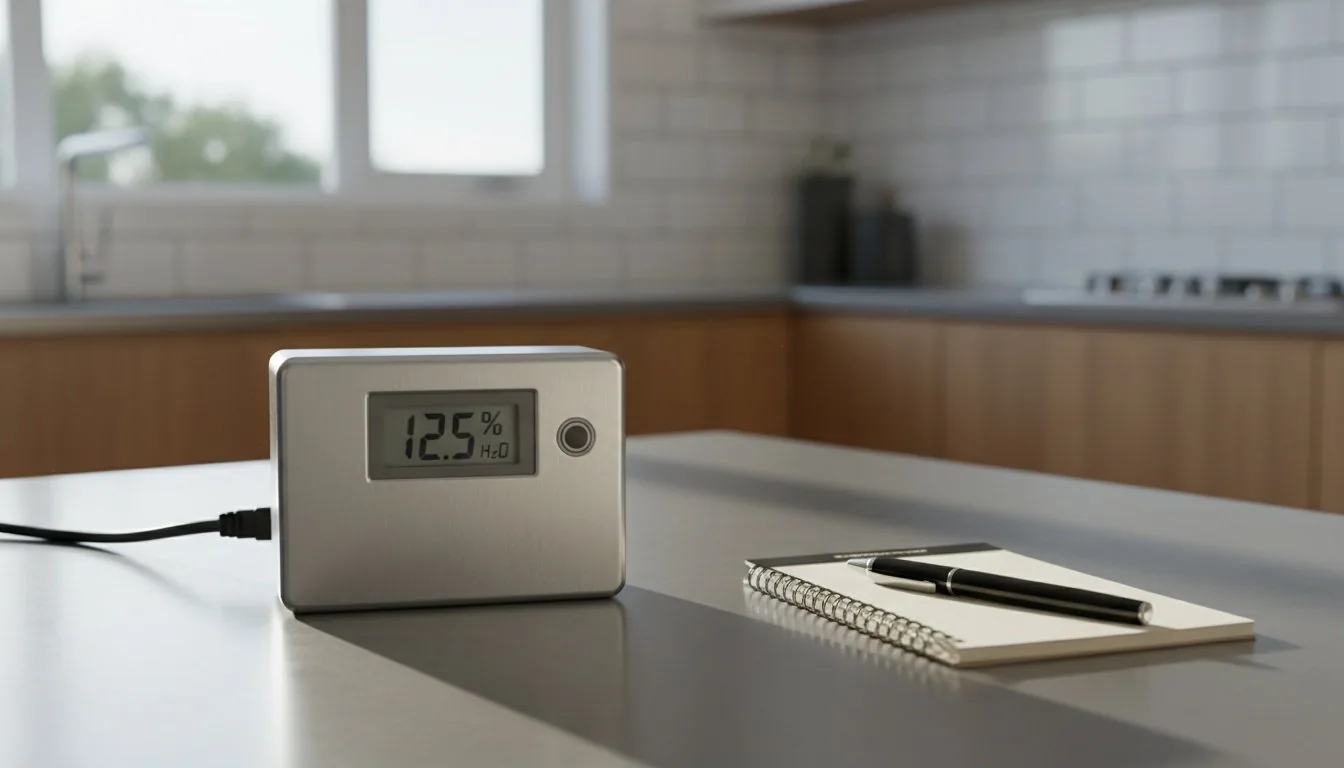
Cannabis cultivation requires sustained high humidity (typically 60 to 80 percent) and temperatures between 25 and 30 degrees Celsius. Maintaining these conditions inside a residential property for weeks or months causes damage that goes far beyond what is visible on the surface. By the time police shut down a grow house or a landlord discovers the operation, the property has often been fundamentally compromised.
The most significant problem is mould. High humidity and warm temperatures create ideal conditions for mould growth in wall cavities, ceiling spaces, subfloor areas, and inside HVAC ducting. In many grow house properties, we find mould growth extending well beyond the cultivation rooms into adjacent spaces through shared wall cavities and ventilation systems. Black mould (Stachybotrys chartarum) is common and presents serious health risks.
Chemical & Structural Damage
Contamination, Water Damage, and Electrical Hazards
Chemical contamination is the second major concern. Growers use concentrated fertilisers, pesticides, fungicides, and growth regulators that are absorbed into plasterboard, timber, concrete, and soft furnishings. These chemicals can off-gas for months or years after the operation ceases. Some pesticides used in illegal grow operations are not approved for indoor use in Australia and present genuine toxicity risks.
Water damage from irrigation systems, condensation, and deliberate modification of plumbing can compromise structural timber, cause subfloor rot, and create conditions for ongoing mould growth even after the growing operation has stopped. Electrical modifications for high-intensity lighting, ventilation, and irrigation frequently involve bypassed safety switches, overloaded circuits, and unqualified wiring that creates fire risk.
Grow house remediation addresses every layer of contamination, from mould in concealed spaces through to chemical residues and structural damage.
- Mould growth in walls, ceilings, subfloors, and HVAC systems
- Chemical contamination from fertilisers, pesticides, and growth regulators
- Structural water damage from irrigation and condensation
- Electrical hazards from unauthorised wiring modifications
- Persistent cannabis and chemical odour embedded in materials
- Damaged or contaminated plumbing and drainage
- Compromised structural timber from sustained moisture exposure
- Contaminated insulation and ventilation ducting
Who Needs This Service
Landlords, Buyers, and Property Managers: Your Obligations
Landlords are the most common clients for grow house remediation. If a rental property has been used as a grow house, the landlord is responsible for restoring it to a safe, habitable condition before re-letting. Under the Residential Tenancies Act 1997, landlords must ensure rental properties meet minimum standards, which includes being free from mould, chemical contamination, and structural hazards.
Property buyers who discover grow house history after purchase face the same remediation requirements. In Victoria, sellers have limited disclosure obligations for grow house history, and it is not uncommon for buyers to discover the problem after settlement. A building and pest inspection may identify some signs, but chemical contamination and concealed mould are often missed without specialist assessment.
Real Estate & Council
Selling a Former Grow House and Council Compliance
Real estate agents managing the sale of former grow house properties should arrange professional remediation before listing. A grow house history that surfaces during a sale can derail settlements and expose agents to complaints. Providing clearance documentation from a certified remediation company addresses buyer concerns proactively.
Local councils can issue compliance notices under the Public Health and Wellbeing Act 2008 for properties that pose health risks to occupants or neighbours. Failure to remediate can result in penalties or council-ordered works at the owner's expense.
Health & Safety
Why DIY Cleanup Is Not Enough
Standard cleaning, painting over surfaces, or simply airing out a former grow house does not address the underlying contamination. Mould in wall cavities continues to produce spores that enter living spaces through gaps around power points, light fittings, and skirting boards. Chemical residues absorbed into porous materials continue to off-gas. Painting over mould creates a cosmetic fix that fails within months as the mould grows through the new paint.
Health risks from grow house contamination are well documented. Prolonged exposure to mould spores causes respiratory illness, allergic reactions, and can trigger asthma. The World Health Organization identifies indoor mould exposure as a significant health risk, particularly for children, the elderly, and people with compromised immune systems. Chemical residues from pesticides and fertilisers add toxicity risks that vary depending on the specific products used.
Specialist Equipment & Disposal
Regulated Remediation and Disposal
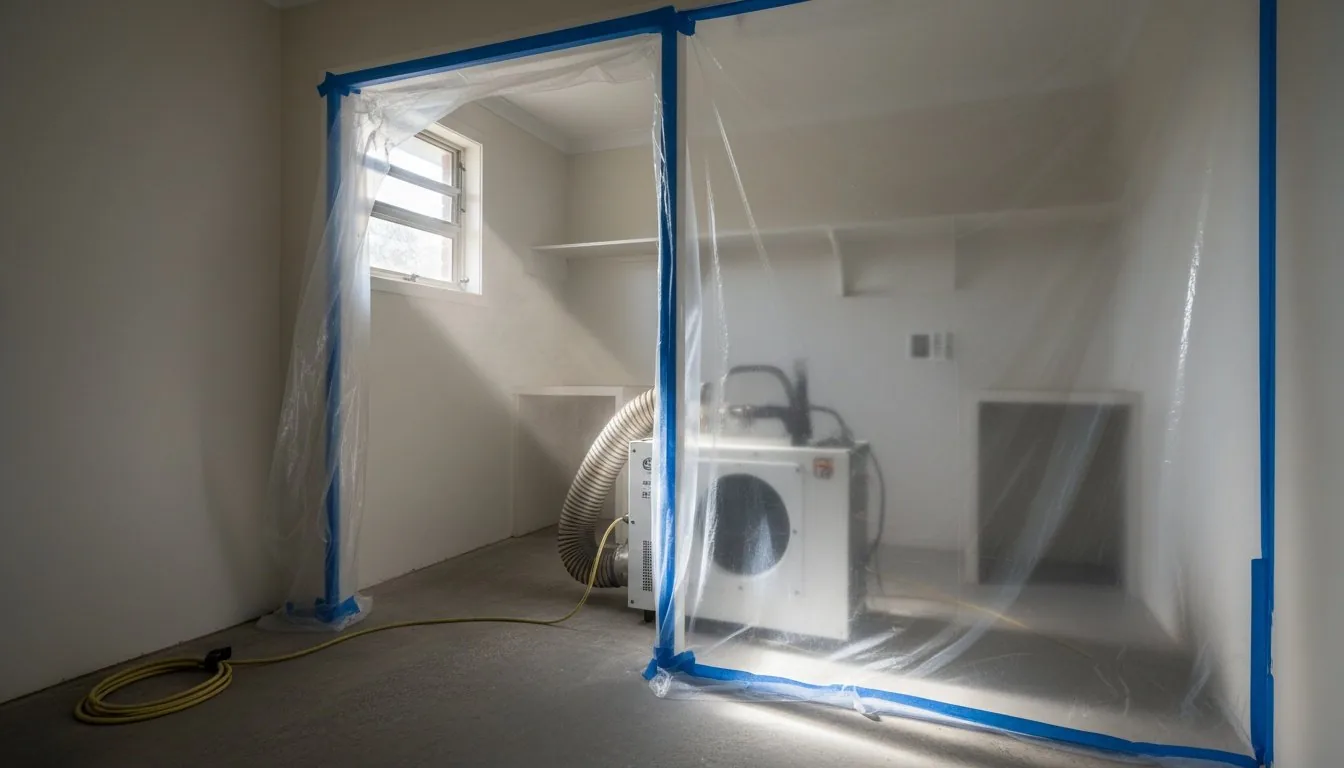
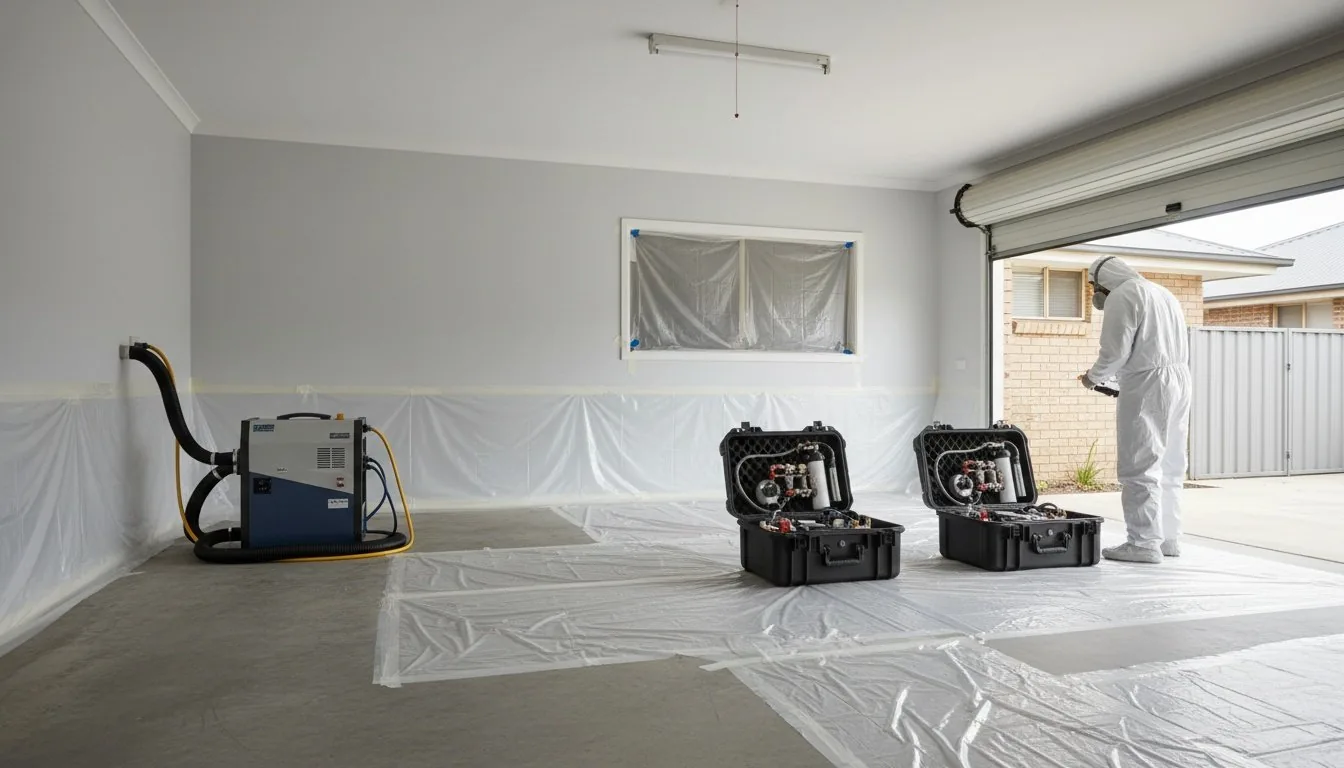
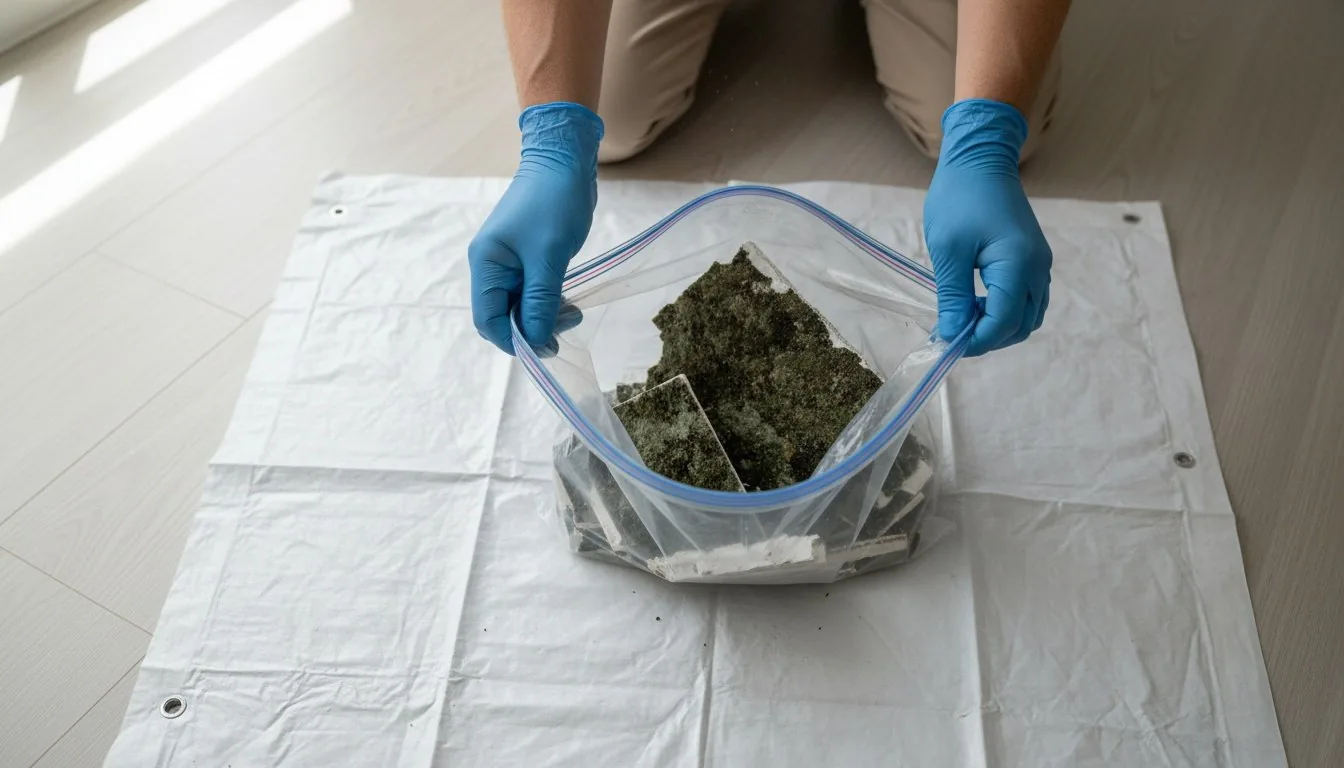
Effective remediation requires specialist equipment including HEPA-filtered negative air machines, industrial dehumidifiers, air scrubbers, and personal protective equipment. Contaminated materials (plasterboard, insulation, carpet, underlay) must be removed and disposed of through appropriate waste channels. Remaining surfaces must be treated with antimicrobial agents and verified clean before reconstruction.
In Victoria, the disposal of contaminated materials from grow house properties is regulated under the Environment Protection Act 2017. Chemical-contaminated waste cannot be disposed of through standard channels and must be managed accordingly.
Our Process
How Grow House Remediation Works
1
Comprehensive Assessment
We inspect the entire property including wall cavities, ceiling spaces, subfloor, HVAC systems, and electrical. We test for mould species, take chemical swab samples where needed, and document all damage. You receive a detailed report and fixed-price remediation quote.
2
Containment & Removal
We set up containment barriers and negative air pressure to prevent cross-contamination. Contaminated plasterboard, insulation, carpet, and other materials are carefully removed, bagged, and disposed of through licensed waste channels.
3
Decontamination & Treatment
All remaining surfaces are treated with antimicrobial and antifungal agents. We use HEPA-filtered air scrubbers to remove airborne spores and particles. Odour is addressed through ozone treatment and thermal fogging. Chemical residues are neutralised on all surfaces.
4
Clearance Testing & Documentation
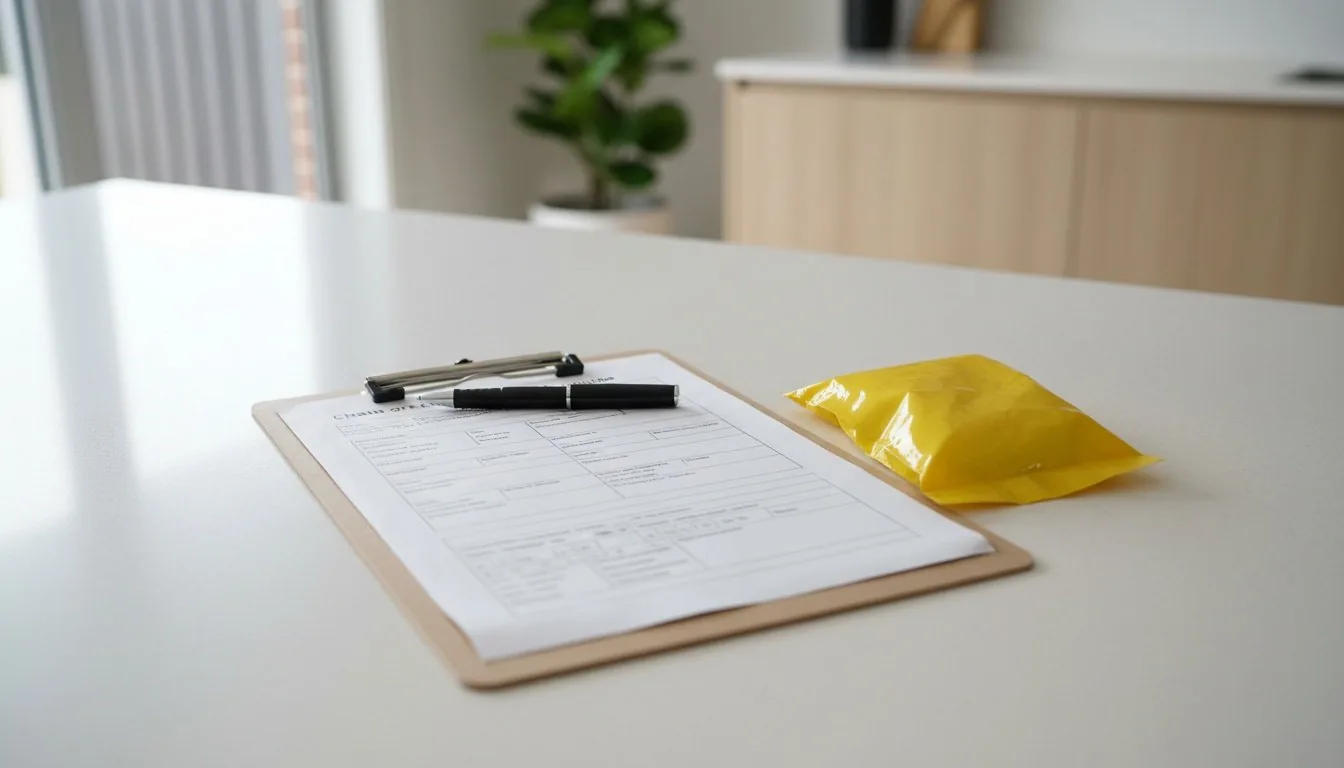
We conduct post-remediation testing to verify mould spore counts and surface contamination are within safe limits. You receive a clearance report with before-and-after documentation suitable for insurers, tenants, or prospective buyers.
Pricing
How Much Does Grow House Cleanup Cost in Melbourne?
We provide a fixed-price quote after our initial assessment. The price we quote is the price you pay. No hourly rates, no surprise charges. The main cost factors are the amount of contaminated material that needs to be removed, the extent of mould remediation required, whether HVAC ducting needs replacement, and the size of the property.
Landlord insurance policies may cover grow house remediation costs, depending on the specific policy and circumstances. We provide detailed documentation formatted for insurance claims and can liaise with your insurer directly.
- Small operation (single room in unit): $8,000 to $15,000
- Full-house operation (3-bedroom home): $15,000 to $30,000
- Severe cases with structural damage: $40,000+
- Fixed-price quotes, insurance liaison included
FAQs
Grow House Cleanup Questions
Common signs include staining on walls and ceilings from high humidity, unusual holes in walls or ceilings (for ventilation), modified or bypassed electrical systems, water damage in unusual locations, persistent musty or chemical odour, and mould growth. If you are buying a property, a specialist building inspection can identify many of these indicators.
We recommend avoiding extended time in a former grow house until it has been professionally assessed. Mould spores, chemical residues from pesticides and fertilisers, and potential electrical hazards can all pose health and safety risks. A brief walk-through for inspection purposes with windows open is generally low risk, but do not sleep in the property or allow children inside.
Almost certainly. The sustained high humidity in grow houses causes mould to develop in wall cavities, ceiling spaces, and subfloor areas where it is not visible from inside the rooms. Our assessment includes checking concealed spaces using moisture meters, thermal imaging, and where necessary, exploratory openings.
Many landlord insurance policies cover property damage caused by tenants, which can include grow house remediation. Coverage varies between policies and insurers. We provide detailed documentation and can work directly with your insurer to support your claim.
Most standard 3-bedroom properties take between 5 and 10 working days. Larger properties or those with severe contamination may take longer. We will provide a clear timeline during the assessment phase.
Yes. We strongly recommend engaging a licensed electrician to inspect and certify the electrical system before the property is reoccupied. Grow house operations frequently involve modified wiring, bypassed safety switches, and overloaded circuits that create fire risk. We can recommend electricians who have experience with former grow house properties.
Yes. Once remediation is complete and clearance documentation has been issued, the property can be safely reoccupied, re-let, or sold. Our clearance report provides evidence that the property has been remediated to a safe standard, which is useful for tenants, buyers, and their solicitors.
Discovered a Former Grow House?
Call us to arrange an assessment. We will inspect the property, explain what remediation is needed, and provide a clear, fixed-price quote. No obligation.
Get In Touch
Get Your Free Quote
Tell us about your situation and we will get back to you within 2 hours during business hours.