
Hoarder & Squalor Cleaning Australia-Wide
Hoarding disorder affects thousands of Australians and their families. TACT Bio Recovery provides compassionate, non-judgmental cleanup for hoarding and squalor situations. Same-day across Victoria, and we travel anywhere in Australia for hoarding work. We never subcontract: the TACT team does your job, wherever it is. We work with families, NDIS plan managers, support workers, aged care services, and local councils to restore properties to safe, liveable condition while respecting the person at the centre of the situation.
Compassionate, Non-Judgmental Approach
IICRC Certified for Biohazard
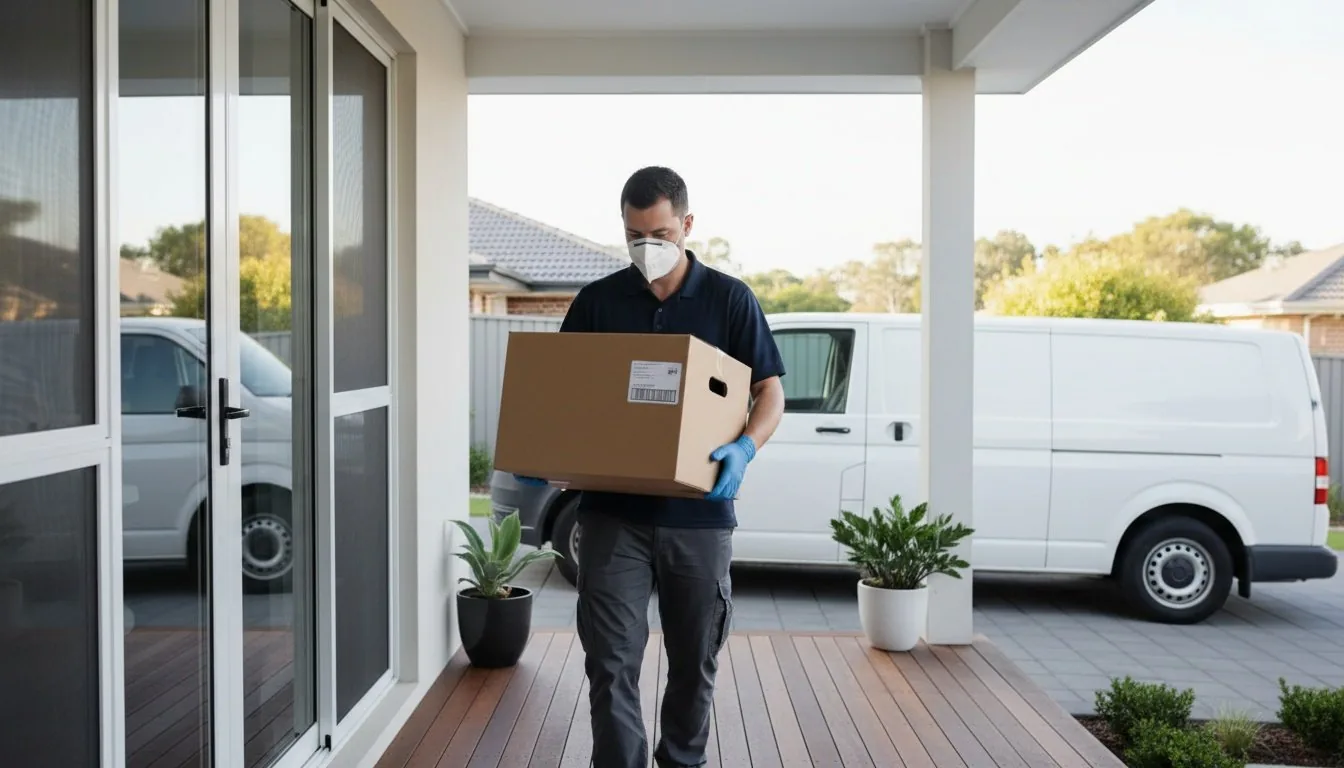
Discreet Unmarked Vehicles

Understanding Hoarding
What Hoarding Cleanup Actually Involves
Hoarding disorder is a recognised mental health condition classified in the DSM-5. It is characterised by persistent difficulty discarding possessions regardless of their actual value, resulting in accumulation that compromises the safe use of living spaces. It affects an estimated 2 to 6 percent of the population and is more common in older adults. It is not laziness, and it is not a choice. Understanding this is fundamental to our approach.
Hoarding situations are classified on a scale of 1 to 5, developed by the Institute for Challenging Disorganization. Level 1 involves clutter that does not significantly impact daily living. Level 2 involves blocked exits and some areas unusable. Level 3 involves structural concerns, poor sanitation, and one room unusable. Level 4 involves structural damage, biohazard conditions, and no usable sleeping space. Level 5 involves severe structural damage, animal or human waste throughout, and the property is uninhabitable.
Our Approach
Careful Sorting and Compassionate Remediation
TACT typically handles Level 3 through Level 5 situations where biohazard conditions exist, the property poses health or safety risks, or council compliance is required. These situations involve more than just removing rubbish. They require careful handling of biological waste (human and animal), pest management, mould treatment, structural damage assessment, and deep decontamination of the property.
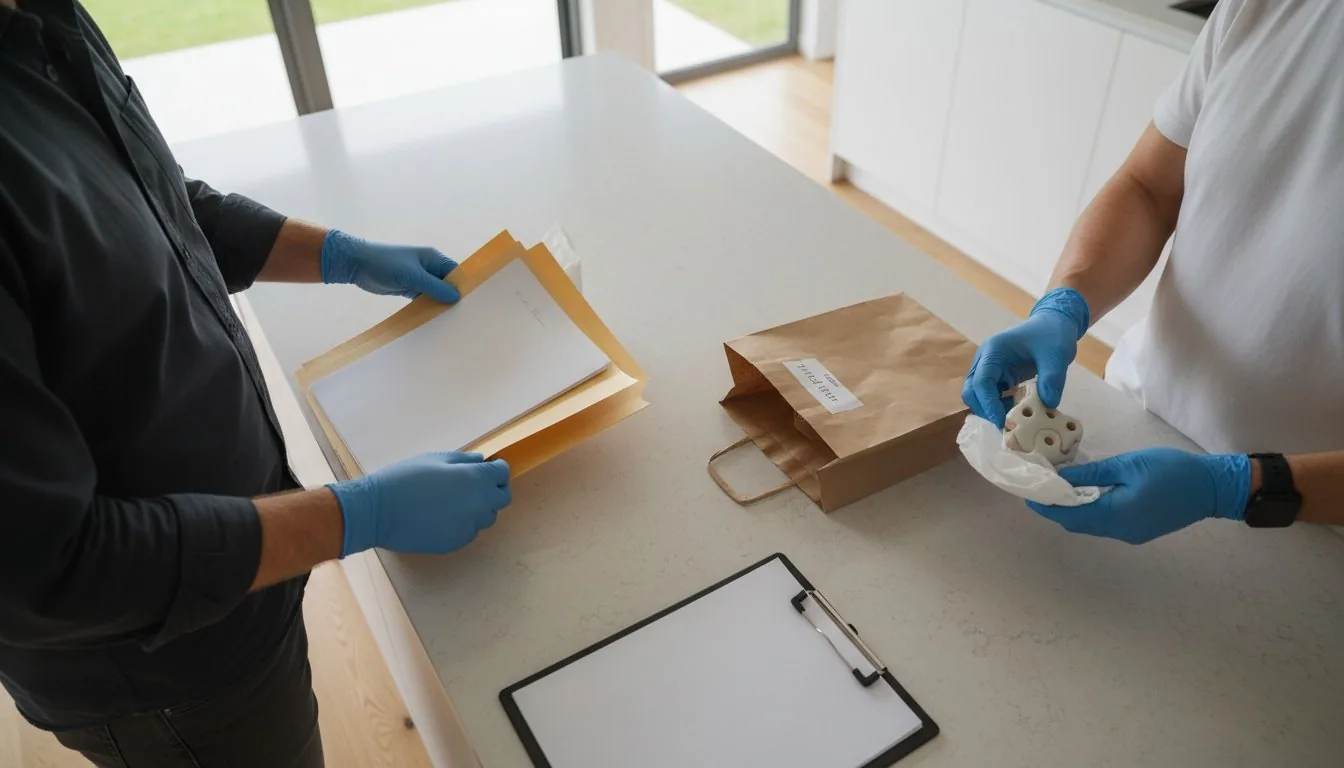
Throughout the process, we sort items carefully. Nothing is thrown away without consent (unless it is a biohazard or safety risk). We set up sorting stations and work methodically through the property, categorising items as keep, donate, recycle, or dispose. Personal items, documents, photographs, and valuables are always set aside for the person or their family to review.
Full Scope of Work
What Our Hoarding Cleanup Covers
Every hoarding cleanup is different, but our comprehensive service addresses every aspect of the situation, from biohazard handling through to waste disposal and documentation.
- Careful sorting of all items: keep, donate, recycle, dispose
- Biohazard removal: human and animal waste, contaminated food, vermin
- Pest assessment and treatment coordination
- Mould inspection and remediation where needed
- Deep cleaning and sanitisation of all rooms
- Odour treatment using enzymatic cleaners and ozone where required
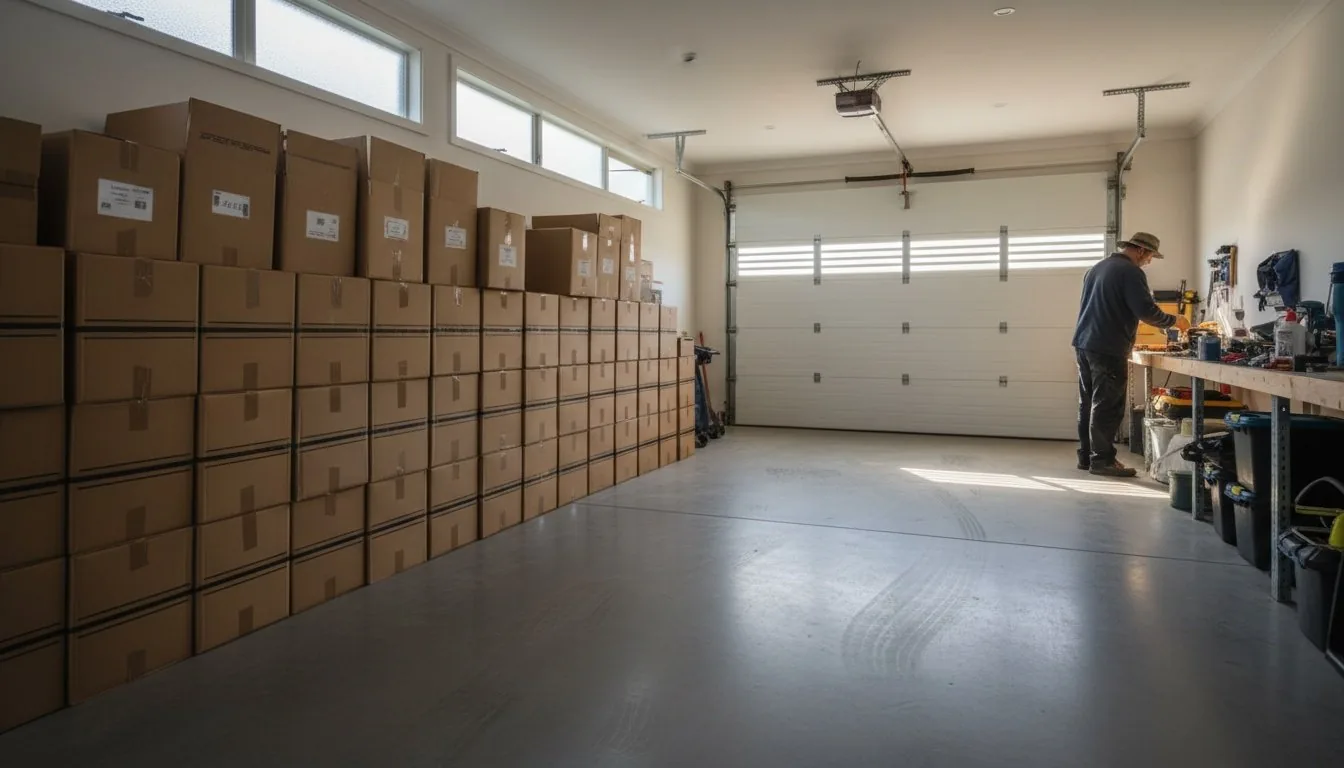
- Skip bin coordination and regulated waste disposal
- Structural damage documentation for landlords and councils
Funding & Support
NDIS, Council Funding, and Family Support
Hoarding cleanup can be funded through several channels depending on the person's circumstances. NDIS participants with hoarding disorder in their support plan may be able to access funding for cleanup under the Assistance with Daily Living or Home Modification categories. We work regularly with NDIS support coordinators and plan managers to arrange and invoice for hoarding cleanup services.
Victorian councils have obligations under the Public Health and Wellbeing Act 2008 and many have specific hoarding and squalor response frameworks informed by the Victorian Government's Hoarding and Squalor Protocol. If a council has issued a compliance notice or clean-up order for a property, we can coordinate directly with the council's environmental health team to ensure the cleanup meets their requirements and timelines.
Family & Community Resources
Help for Families and Vulnerable Residents
The Victorian Department of Families, Fairness and Housing (DFFH) provides resources and coordination for hoarding situations that involve vulnerable people, including elderly residents and people with disabilities. Community health centres, aged care assessment teams (ACAT), and mental health services can also connect people with hoarding support and cleanup resources.
For families helping an elderly relative or a person with hoarding disorder, the first step is often the hardest. We understand the dynamics of these situations: the person with hoarding disorder may be resistant, the family may disagree on approach, and the situation may have been building for years. We offer confidential conversations to help you plan the best approach for your specific situation.
Health & Safety
Why Hoarding Cleanup Requires Professionals
Hoarding situations at Level 3 and above typically involve biohazard conditions that require specialist handling. Human and animal waste, decomposing food, vermin infestations (rodents, cockroaches), and mould create an environment with genuine health risks that household cleaning equipment cannot address.
Rodent droppings and urine can carry hantavirus and leptospirosis. Cockroach allergens trigger asthma and allergic reactions. Mould in hoarding properties is often extensive because the accumulated items trap moisture and block ventilation. Animal waste (from cats, dogs, birds, or hoarded animals) produces ammonia that causes respiratory damage at high concentrations.
Structural & Safety Risks
Hidden Hazards in Hoarding Properties
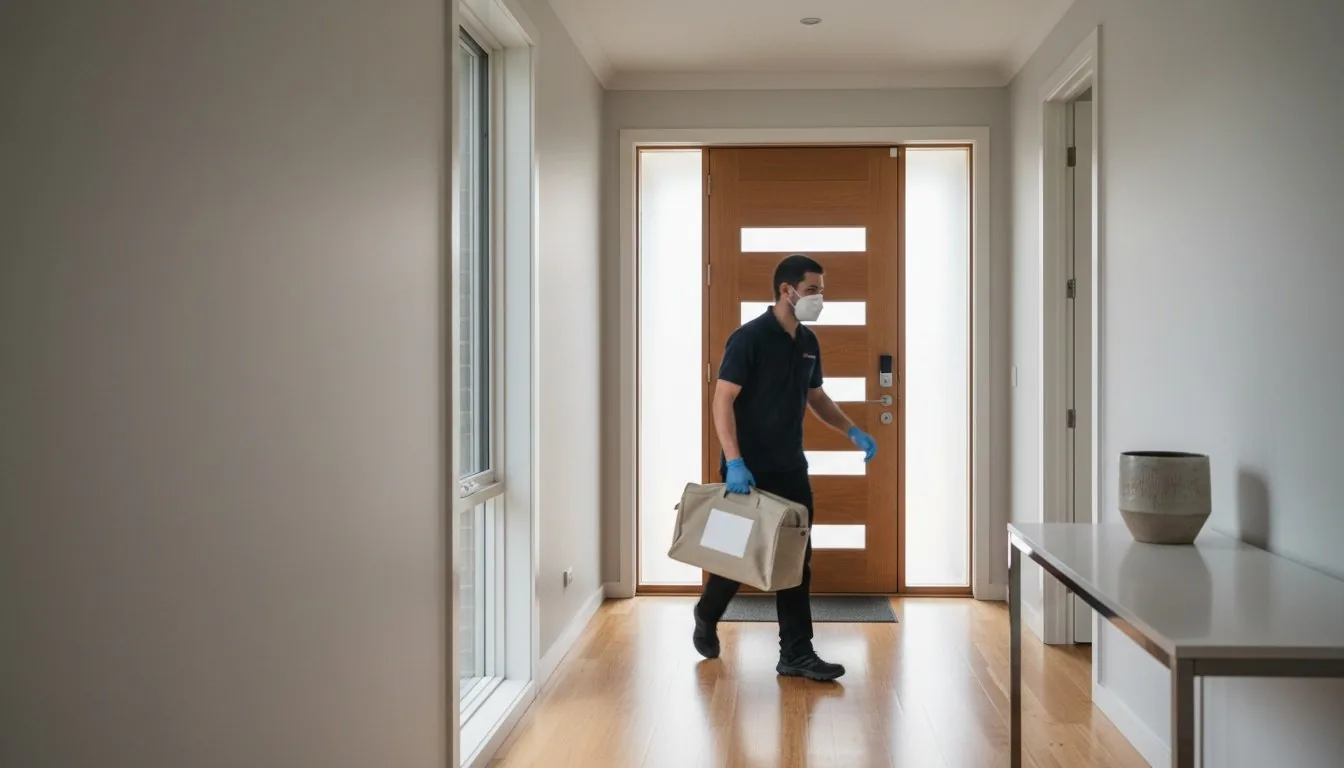
The physical structure of heavily hoarded properties can also be compromised. Accumulated weight on floors can cause structural damage. Blocked exits create fire safety risks. Pest damage to wiring creates electrical hazards. A professional assessment identifies these risks before cleanup begins so they can be managed safely.
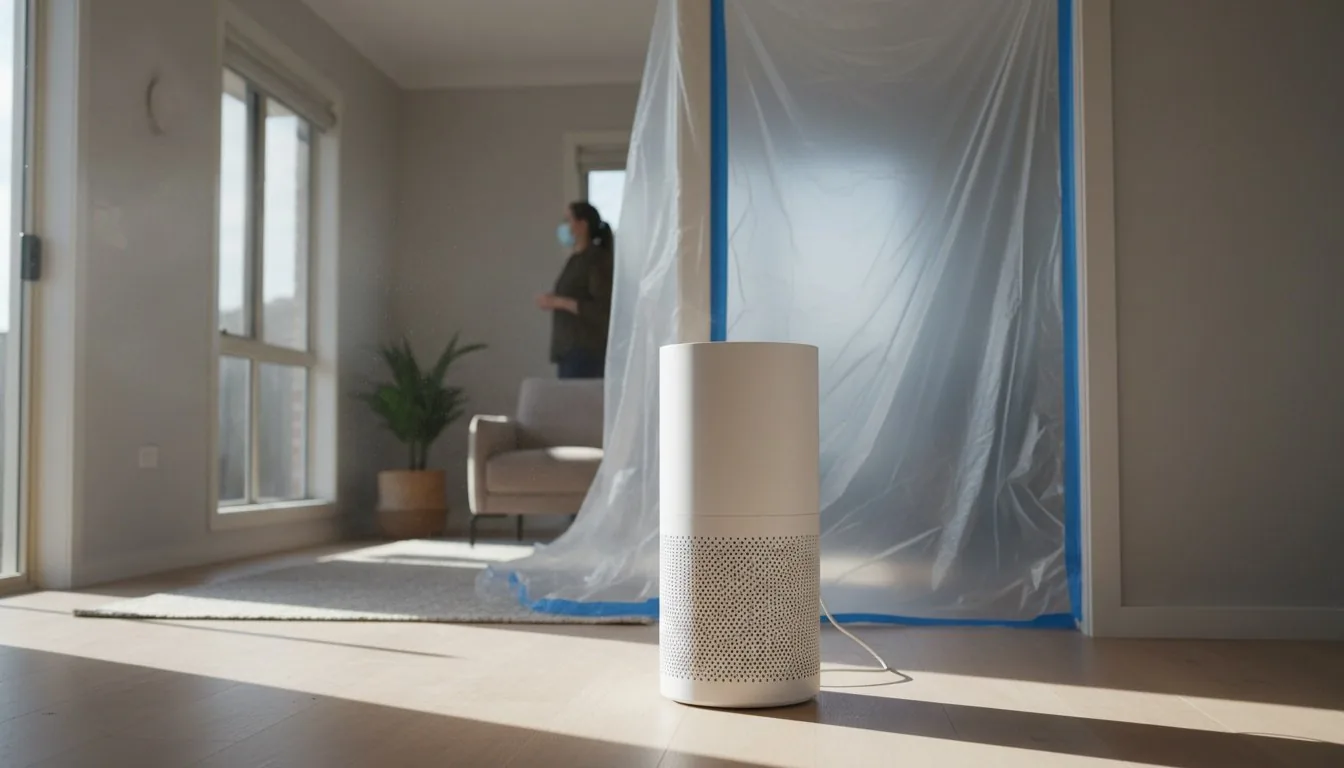
Our team wears appropriate PPE for the conditions (respirators, Tyvek suits, chemical-resistant gloves) and follows biohazard handling protocols for all contaminated material. We coordinate pest treatment with licensed pest controllers and can arrange structural assessment by qualified building inspectors where needed.
Our Process
How Hoarder Cleanup Works
1
Confidential Assessment
We visit the property with you, your family, or your support coordinator. We assess the situation, discuss the person's wishes and needs, and develop a cleanup plan. You receive a detailed scope and fixed-price quote. If NDIS or council funding is involved, we coordinate with your plan manager or council contact.
2
Careful Sorting & Removal
We set up sorting stations and work through the property methodically. Items are categorised as keep, donate, recycle, or dispose. Personal belongings, documents, and valuables are always set aside for review. Biohazard materials are handled safely and disposed of through proper channels.
3
Deep Clean & Decontamination
Once the property is cleared, we deep clean every surface. Biohazard areas are decontaminated. Odour is treated. Pest treatment is coordinated. Mould is assessed and remediated if present. The goal is a clean, safe, liveable home.
4
Handover & Support
We walk through the completed property with the person, their family, or their support team. We provide documentation for NDIS, councils, landlords, or insurers as needed. If the person has ongoing support needs, we can provide referrals to hoarding support services and organise follow-up maintenance cleans.

Pricing
How Much Does Hoarder Cleaning Cost in Melbourne?
Hoarder cleaning costs in Melbourne depend on the property size, the level of accumulation (Level 1 to 5), and whether biohazard conditions are present. NDIS funding may cover part or all of the cost if hoarding disorder is included in the participant's plan. Council-funded cleanups are sometimes available for vulnerable residents facing compliance notices.
We provide a fixed-price quote after the on-site assessment. The price we quote is the price you pay. Skip bin costs are typically included. Most hoarding cleanups require 2 to 6 skip bins depending on the volume of material.
- Moderate (Level 2-3): $5,000 to $12,000
- Severe (Level 4-5): $12,000 to $30,000+
- Fixed-price quotes, no hidden charges
FAQs
Hoarder Cleaning Questions
TACT Bio Recovery provides hoarder cleaning across Melbourne and all of Victoria, with same-day assessment and Australia-wide travel for major jobs. Our IICRC-certified, police-checked technicians specialise in Level 3 to 5 hoarding situations, including biohazard and squalor conditions that regular cleaning companies cannot handle. Every job is done by the TACT team, never subcontracted, with a trauma-informed, non-judgmental approach. Call (03) 9970 9777, any hour.
Moderate situations (Level 2 to 3) typically cost $5,000 to $12,000 for a standard home. Severe situations (Level 4 to 5) with biohazard conditions range from $12,000 to $30,000 or more. NDIS funding and council assistance may be available. We provide a fixed-price quote after a free on-site assessment.
Hoarding is classified on a scale of 1 to 5. Level 1: minor clutter, all rooms usable. Level 2: some blocked exits, one room unusable. Level 3: structural concerns, poor sanitation, safety risks. Level 4: structural damage, biohazard conditions, severe pest issues. Level 5: uninhabitable, severe structural damage, human or animal waste throughout. We typically handle Level 3 to 5, and at Level 4 to 5 the job often crosses into biohazard cleaning for human or animal waste, and sometimes deceased estate cleaning where a death has occurred in the property.
Yes, if hoarding disorder is included in the participant's NDIS plan. Cleanup can be funded under Assistance with Daily Living or similar categories. We work regularly with self-managed and plan-managed NDIS participants, support coordinators, and plan managers. Our technicians hold NDIS Worker Screening clearance. Note: TACT is not a registered NDIS provider, so we cannot bill against NDIA-managed plans; for self-managed and plan-managed participants, we can be paid through your plan.
Yes. Under the Public Health and Wellbeing Act 2008, Victorian councils can issue compliance notices and clean-up orders for properties that pose health or safety risks. Failure to comply can result in penalties or council-ordered works at the owner's expense. We work with councils across Victoria and can help you meet compliance requirements and timelines.
Start with a conversation, not an ultimatum. Hoarding is a recognised mental health condition and the person may not see the problem or may feel deeply ashamed. Involve their GP, an aged care assessment team, or a social worker. When the person is ready for help, we provide a compassionate, non-judgmental cleanup that respects their wishes and involves them in decisions about their belongings.
Absolutely not. Hoarding disorder is a recognised condition in the DSM-5. It can affect anyone regardless of income, education, or background. Our team is trained in compassionate, trauma-informed approaches. We are here to help restore a safe living environment, not to judge anyone.
Several resources exist. The Victorian Government's Hoarding and Squalor Protocol provides a framework for inter-agency response. The Department of Families, Fairness and Housing (DFFH) coordinates support for vulnerable people. Local councils have environmental health teams that can connect residents with services. Community health centres and aged care services can also provide assistance.
Most residential hoarding cleanups take 3 to 7 days. Severe situations (Level 4 to 5) with large properties can take 1 to 2 weeks. We provide a clear timeline during the assessment and keep you updated throughout.
Ready to Take the First Step?
A confidential, no-obligation conversation is all it takes. We will listen, understand your situation, and recommend the best path forward. No judgement.
Get In Touch
Get a Confidential Assessment
Tell us about your situation and we will get back to you within 2 hours during business hours.