Meth Testing Australia-Wide
Methamphetamine contamination is invisible and odourless at low levels, but it causes real health problems for anyone living in a contaminated property. This guide explains how meth testing and decontamination works, when you need it, and what happens if contamination is found. TACT travels anywhere in Australia for meth work and never subcontracts. Same-day across Victoria, planned logistics interstate.
Fully Insured
IICRC Licensed & Certified
Regulatory Independence
The 3-Stage Regulatory Process
How Meth Testing Works in Victoria
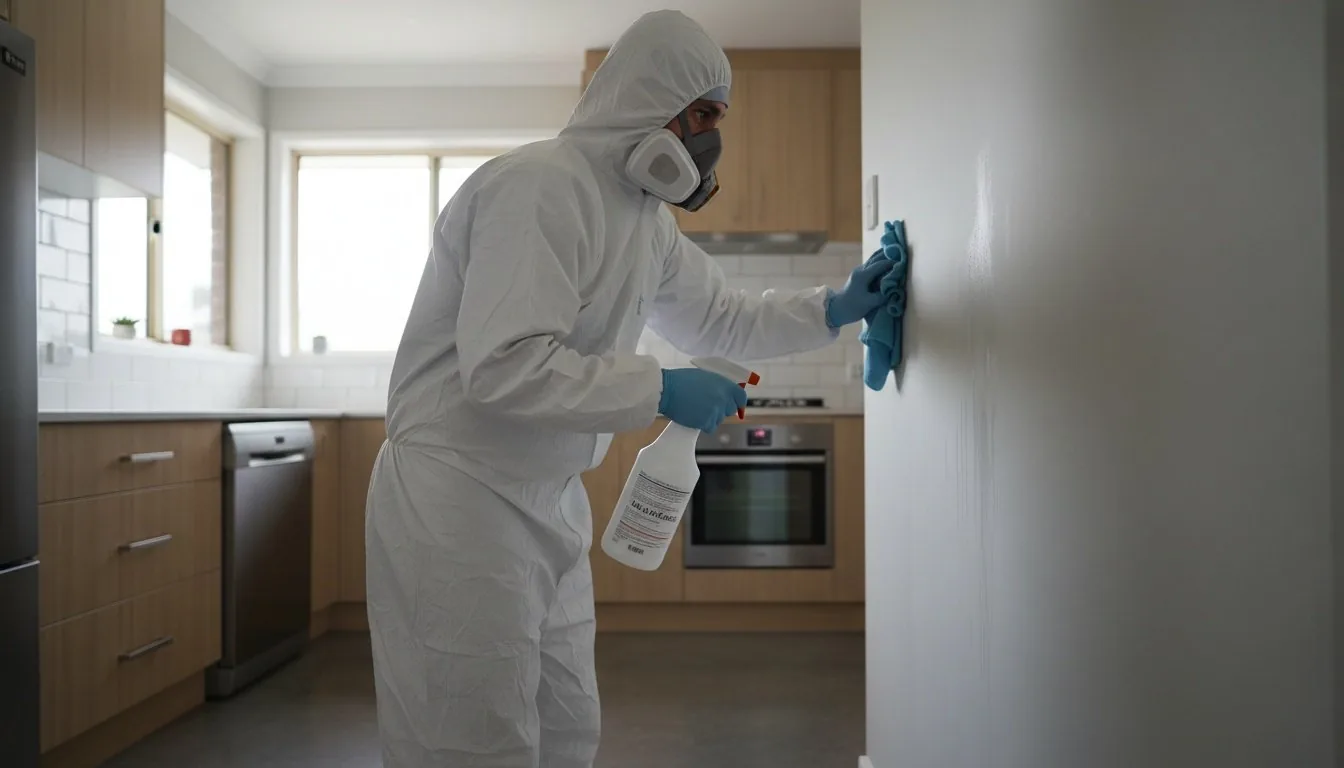
Methamphetamine contamination in Victorian properties follows a regulated three-stage process: screening, assessment, and decontamination. Each stage serves a different purpose, and the independence between the stages is a critical regulatory requirement.
Stage 1 is preliminary screening. A trained technician from a NATA-accredited testing company collects surface swab samples from key areas (kitchens, bathrooms, living areas, bedrooms, HVAC returns) and sends them to a lab. If all results are below the Australian regulatory threshold of 0.5 micrograms per 100 square centimetres, the property is clear.
Stages 2 & 3
Assessment and Regulatory Independence
Stage 2 is a detailed assessment. If Stage 1 reveals contamination above the threshold, a comprehensive assessment maps the extent and severity of contamination throughout the property. Many more samples are taken to identify exactly which areas are contaminated and at what levels.
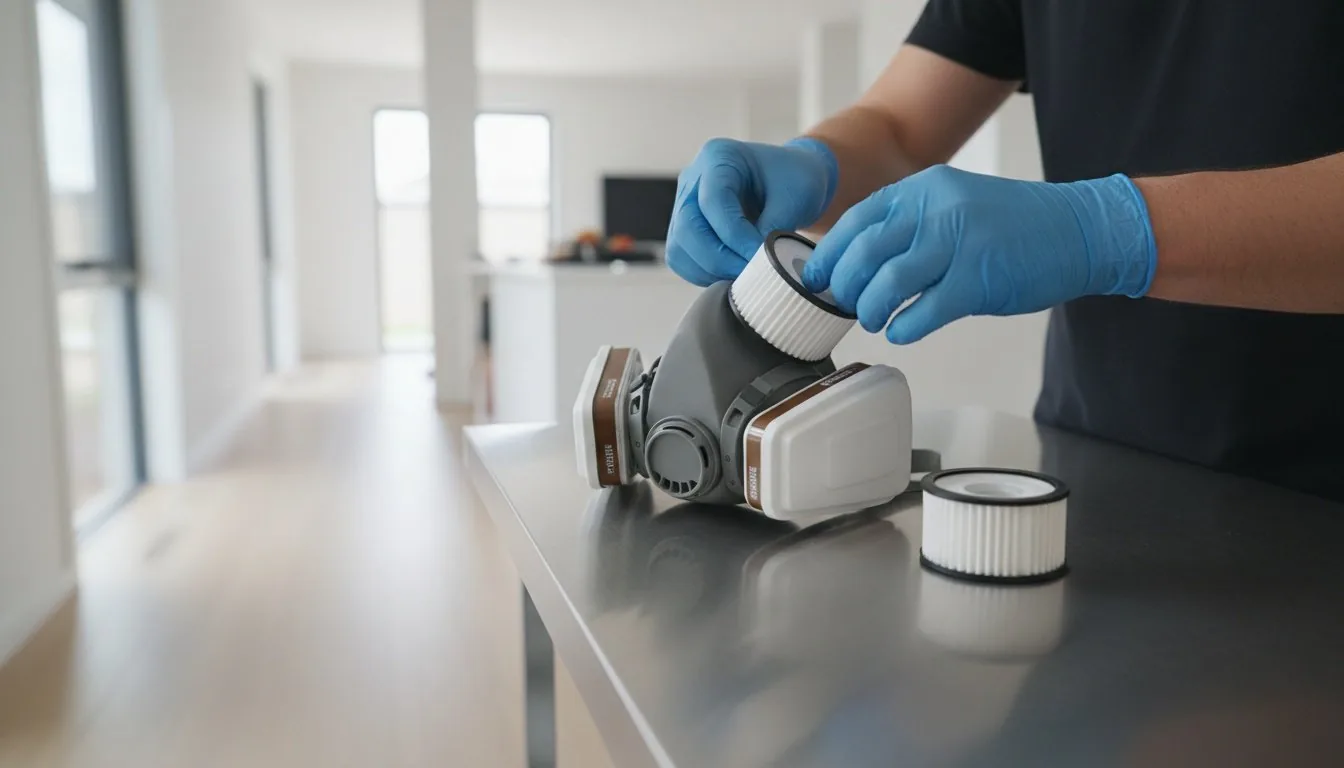
Stage 3 is decontamination. Critically, the Victorian regulatory framework requires independence between the company performing assessment (Stages 1 and 2) and the company performing decontamination (Stage 3). This prevents conflicts of interest where an assessor might overstate contamination to generate remediation work. TACT performs all three stages, but never all three on the same property. If we did your screening or assessment, an independent decontamination company must do the remediation, and an independent assessor must do the clearance testing after our work.
TACT performs all three stages of the meth process: screening, assessment, and decontamination. Because of Victorian regulatory independence requirements, we cannot perform all three on the same property. Here is how we fit into the process depending on which stages you need from us.
- Guidance on finding accredited testing companies in Victoria
- Review of Stage 2 assessment reports and contamination mapping
- Stage 3 decontamination following Australian regulatory requirements
- Remediation scope and fixed-price quote based on assessment findings
- Containment, material removal, and chemical decontamination
- HVAC system decontamination and filter replacement
- Coordination with independent clearance testing after remediation
- Full documentation for landlords, insurers, and property managers
Who Should Test
When Meth Testing Is Recommended in Melbourne
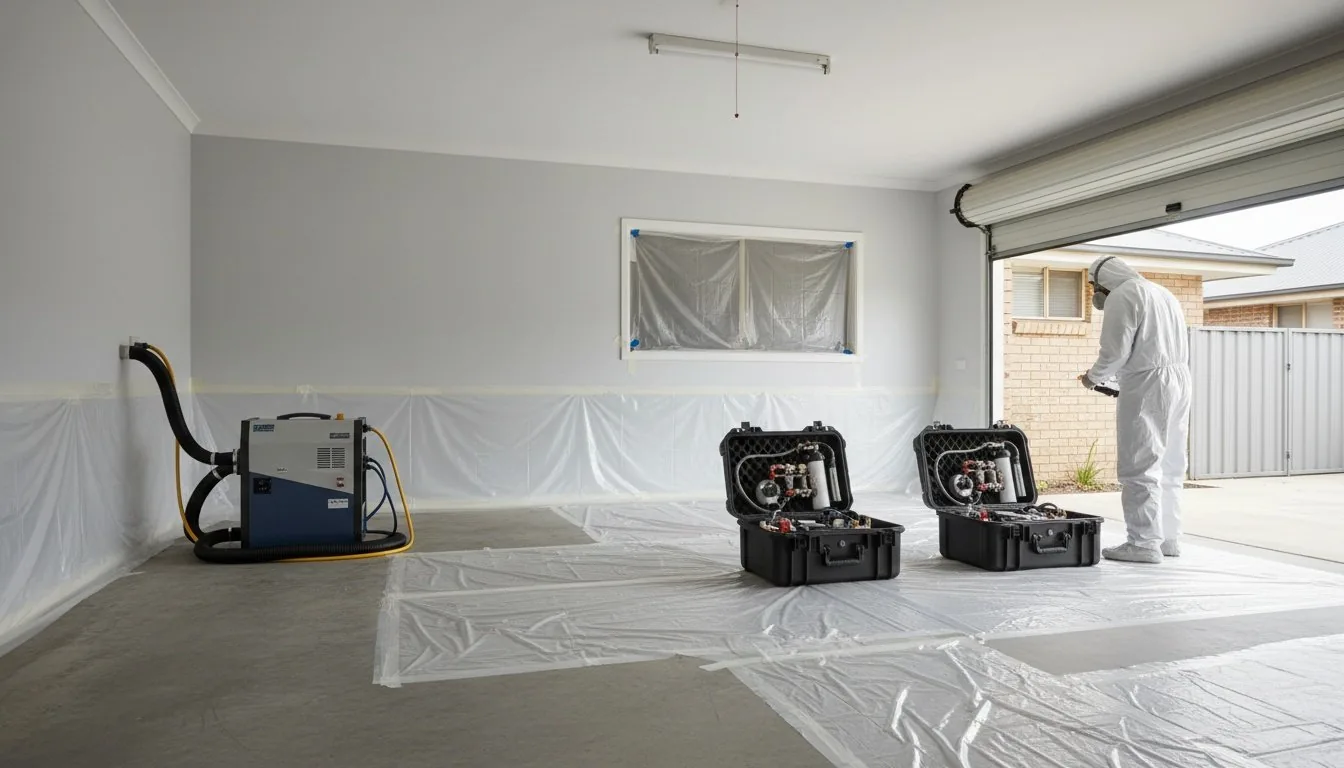
Meth testing demand in Melbourne has grown significantly, with search interest more than doubling year-on-year. Rental property testing is the fastest-growing segment as landlords and property managers recognise the liability risk of unknowingly renting contaminated properties.
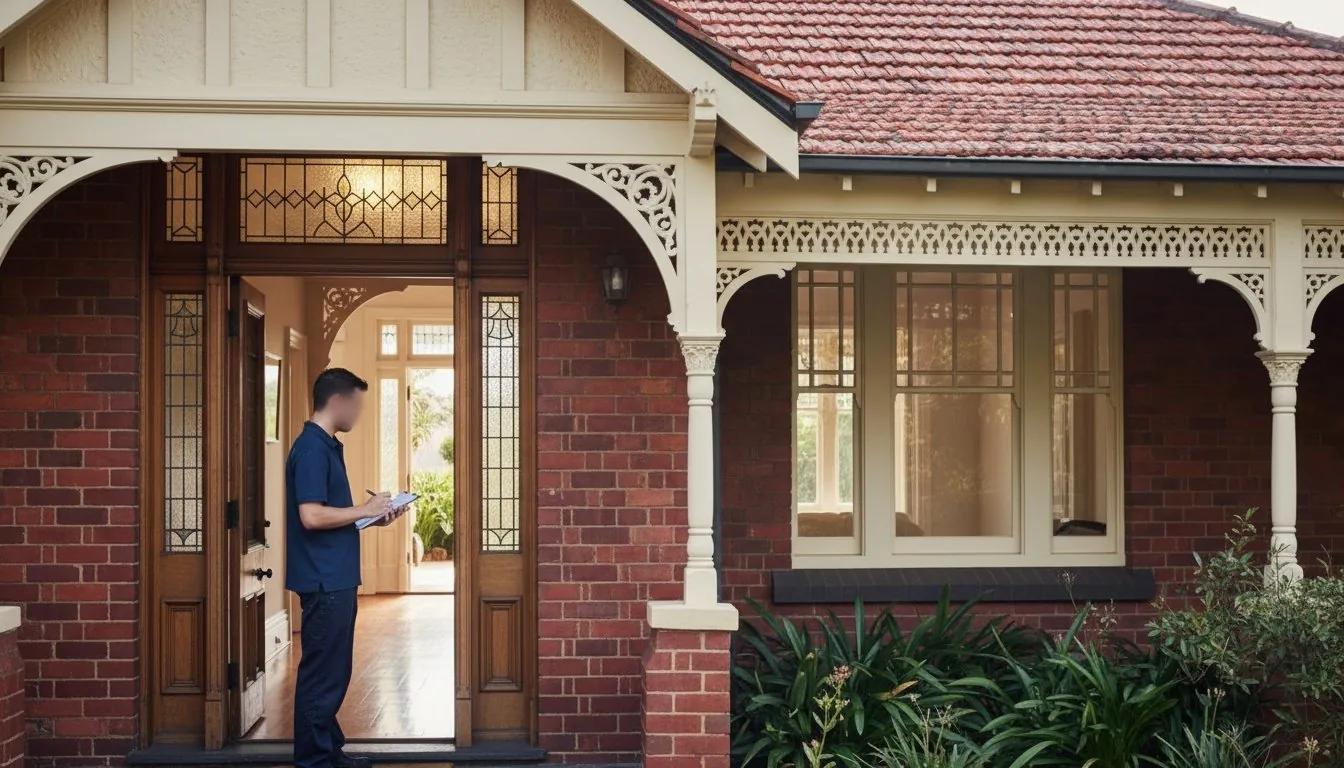
Landlords should test between tenancies, particularly if there were concerns about tenant behaviour, if the property was sublet, or if there are unexplained stains, burns, or chemical odours. Under the Residential Tenancies Act 1997, landlords must provide properties that are fit for habitation. Renting out a contaminated property exposes you to VCAT claims and potential penalties.
Buyers & Property Managers
Pre-Purchase and Routine Tenancy Testing
Property buyers should consider testing before purchase, especially for properties that were previously rentals or that have any indicators of drug use. There is currently no legal requirement for sellers to disclose meth contamination in Victoria, so the onus is on buyers to test. A screening test before settlement is a small cost compared to discovering contamination after you have moved in.
Property managers should incorporate meth testing into their routine inspection process. Many agencies now include screening at the end of every tenancy as standard practice. This protects the landlord from liability and ensures the property is safe before a new tenant moves in. Conveyancers and solicitors are also increasingly recommending meth testing as part of pre-purchase due diligence.
DIY Kits vs Professional Testing
Why Professional Meth Testing Matters More Than a DIY Kit
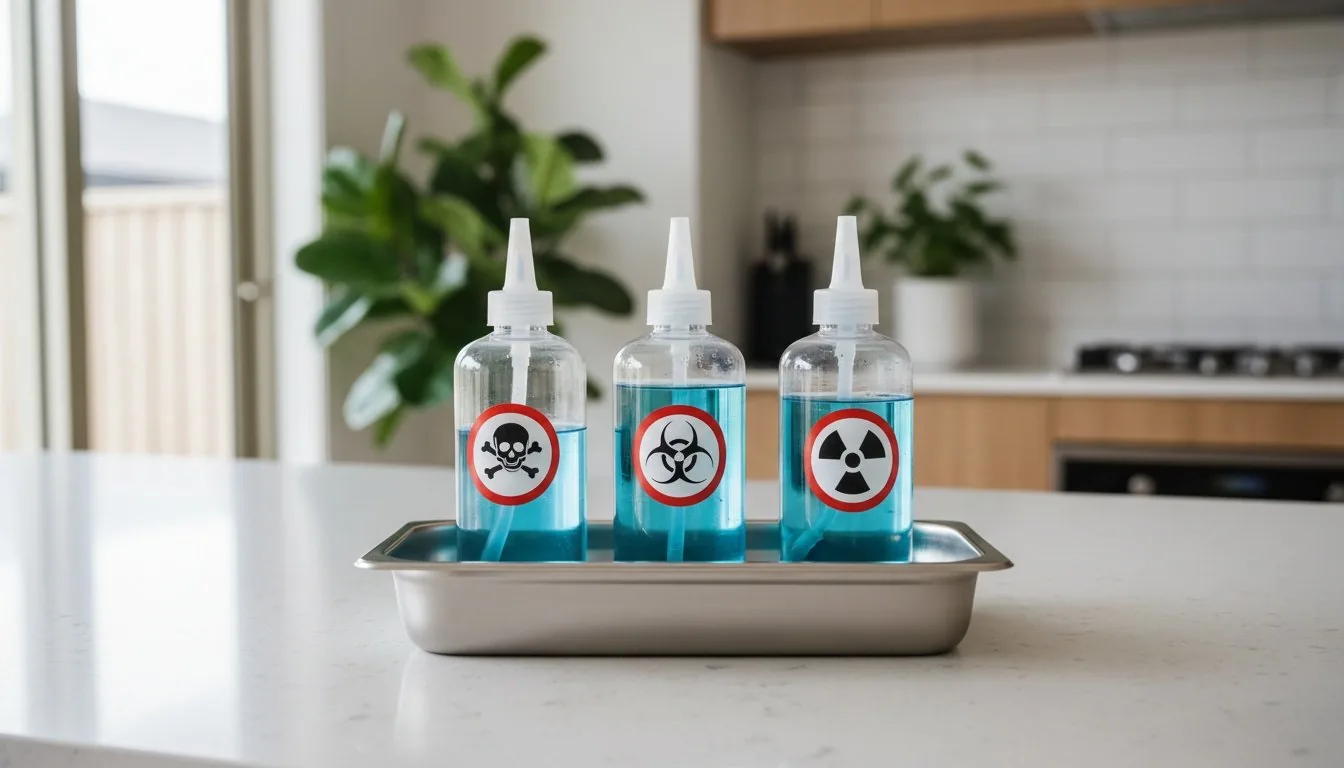
DIY meth testing kits are available from hardware stores and online retailers. These kits use a colour-change indicator to detect the presence of methamphetamine residue. While they can indicate whether meth is present, they have significant limitations that professional testing addresses.
DIY kits do not provide a quantified result. They indicate "detected" or "not detected" but cannot tell you the level of contamination. A property might return a positive result on a DIY kit but be well below the 0.5 microgram threshold. Conversely, a DIY kit might miss low-level contamination that is still above the safe limit. Without quantified results, you cannot make informed decisions about remediation.
Legally Defensible Results
Use NATA-Accredited Testing You Can Rely On
Professional testing companies use calibrated swab collection techniques and NATA-accredited laboratory analysis that provides precise quantified results in micrograms per 100 square centimetres. These results are legally defensible, accepted by insurers, recognised by VCAT, and can be used in property transactions. DIY kit results carry no legal weight.
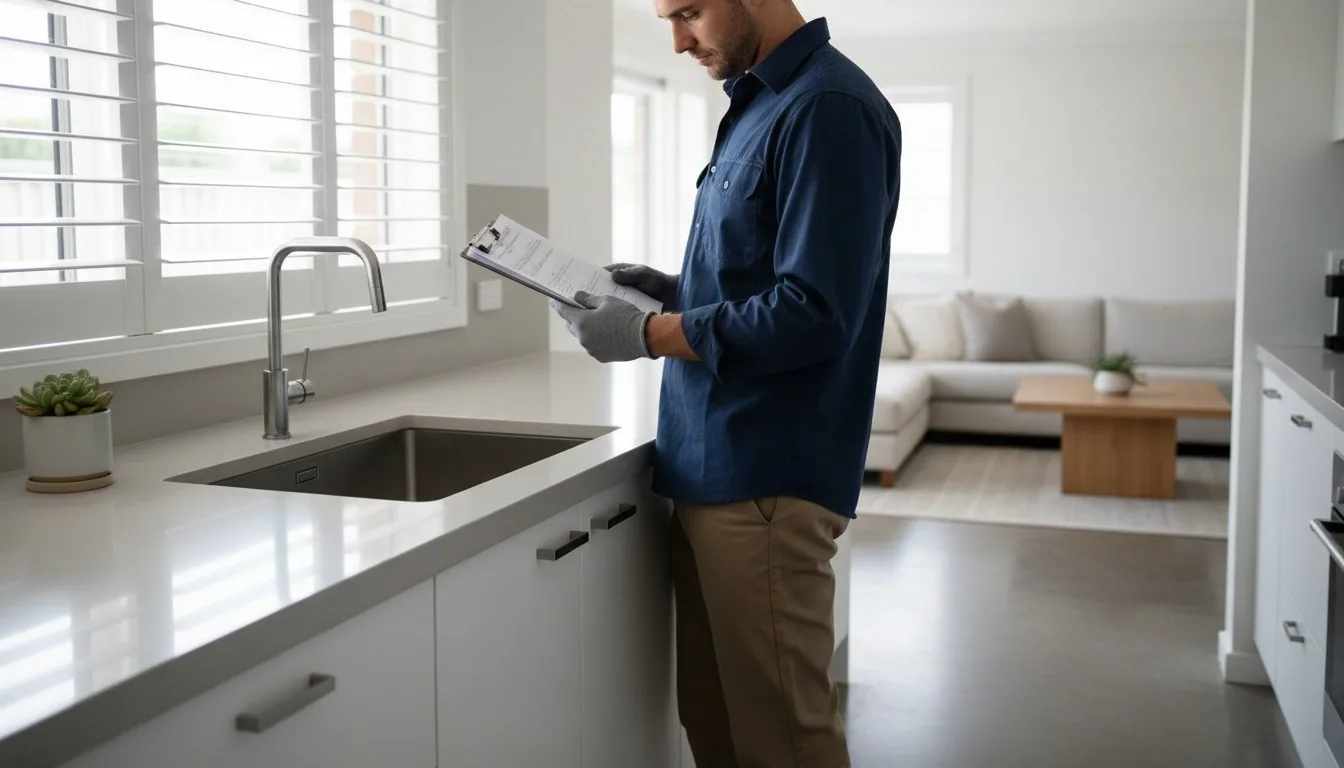
Professional testing includes proper sampling methodology. A trained technician knows where to sample (high-use areas, HVAC returns, extraction fans) and how to collect samples without cross-contamination. Always choose a NATA-accredited company that does not also offer decontamination services. Regulatory independence matters.
The End-to-End Process
What Happens From Testing to Clearance
1
Independent Stage 1 Testing
Engage a NATA-accredited testing company to collect surface swab samples and analyse them for methamphetamine residue. Results typically take 3 to 5 business days. If you need a recommendation, call us and we can point you toward reputable independent testers.
2
Stage 2 Detailed Assessment
If Stage 1 detects contamination above 0.5 micrograms per 100cm2, the same or another independent assessor conducts a comprehensive assessment to map contamination room-by-room. This report becomes the basis for the decontamination scope.
3
TACT Stage 3 Decontamination
We review the Stage 2 report, conduct our own site inspection, and provide a fixed-price quote. Our IICRC-certified team then performs containment, material removal, chemical treatment, HVAC cleaning, and regulated waste disposal.
4
Independent Clearance Certification
After our work is complete, an independent assessor (not TACT) conducts post-remediation testing. If all results are below the regulatory threshold, a clearance certificate is issued and the property can be safely reoccupied.
Pricing
How Much Does Meth Testing Cost in Melbourne?
Testing costs are set by independent testing companies, not by TACT. Typical market rates across Victoria are below. These costs are a fraction of the potential decontamination costs if contamination is discovered after purchase or after a tenant has moved in.
If contamination is found and decontamination is required, TACT provides fixed-price quotes based on the Stage 2 assessment report. See our meth decontamination page for remediation pricing.
- Stage 1 screening (1-4 bedrooms): $350 to $600 (via independent testing company)
- Stage 2 detailed assessment: $1,000 to $2,500 (via independent assessor)
- Stage 3 decontamination: see meth decontamination page for ranges
- Independent clearance testing: $1,500 to $3,000
FAQs
Meth Testing Questions
Yes. TACT performs all three stages of the meth process: Stage 1 screening, Stage 2 detailed assessment, and Stage 3 decontamination. The catch is regulatory: Victorian rules require independence between assessment and remediation. So we cannot do all three on the same property. If we did your screening or assessment, an independent company must do the decontamination, and an independent assessor must do the clearance. Call us to discuss which stages we can handle for you.
Typical market rates are $350 to $600 for Stage 1 screening on a standard residential property, and $1,000 to $2,500 for a Stage 2 detailed assessment if contamination is detected. TACT can perform the testing or the decontamination (but not both on the same property). The ranges above are typical. We will provide an accurate quote after assessing your specific situation, and we are happy to work to your budget. Tell us what you have and we will tell you what we can do.
Laboratory results from NATA-accredited analysis typically take 3 to 5 business days from the day samples are collected. The testing company will contact you directly with results and a detailed written report.
The Australian regulatory threshold is 0.5 micrograms per 100 square centimetres, the investigation level published in the Victorian Department of Health clandestine laboratory remediation guidance. Properties testing below this level are considered safe for habitation. Properties testing above this level require Stage 3 decontamination before they can be safely occupied.
DIY kits can indicate the presence of meth residue but do not provide quantified results. They cannot tell you whether contamination is above or below the safe threshold. Only NATA-accredited laboratory analysis provides precise, legally defensible results that can be used in insurance claims or property transactions.
There is no current legal requirement in Victoria to test between tenancies. However, landlords have an obligation under the Residential Tenancies Act 1997 to provide properties fit for habitation. If a tenant becomes ill from meth contamination you were unaware of, you may face VCAT claims. Testing between tenancies is the best way to protect yourself.
We strongly recommend it. Sellers in Victoria have no obligation to disclose meth contamination. Contamination discovered after settlement becomes your responsibility. A $500 screening test during due diligence can save tens of thousands in unexpected remediation costs.
Not on the same property. The Victorian regulatory framework requires independence between assessment (testing) and remediation (decontamination), which prevents conflicts of interest where an assessor might overstate contamination to generate remediation work. TACT performs every stage, but never assessment and decontamination on the same property. If your property has already tested positive, see our meth decontamination service.
Protect Your Property With a Meth Test
A screening test takes under an hour and gives you certainty. Call us to book a test for your property.
Get In Touch
Book Your Test
Tell us about your property and we will arrange a testing appointment within 1 to 2 business days.