
Mould Removal & Remediation Melbourne
Melbourne's climate makes it one of the most mould-prone cities in Australia. TACT Bio Recovery provides professional mould inspection, air quality testing, containment, removal, and source identification. We fix the mould and fix the cause so it does not come back.
IICRC Certified Mould Remediation
HEPA Filtration & Air Scrubbing
Source Identification & Prevention
Understanding Mould
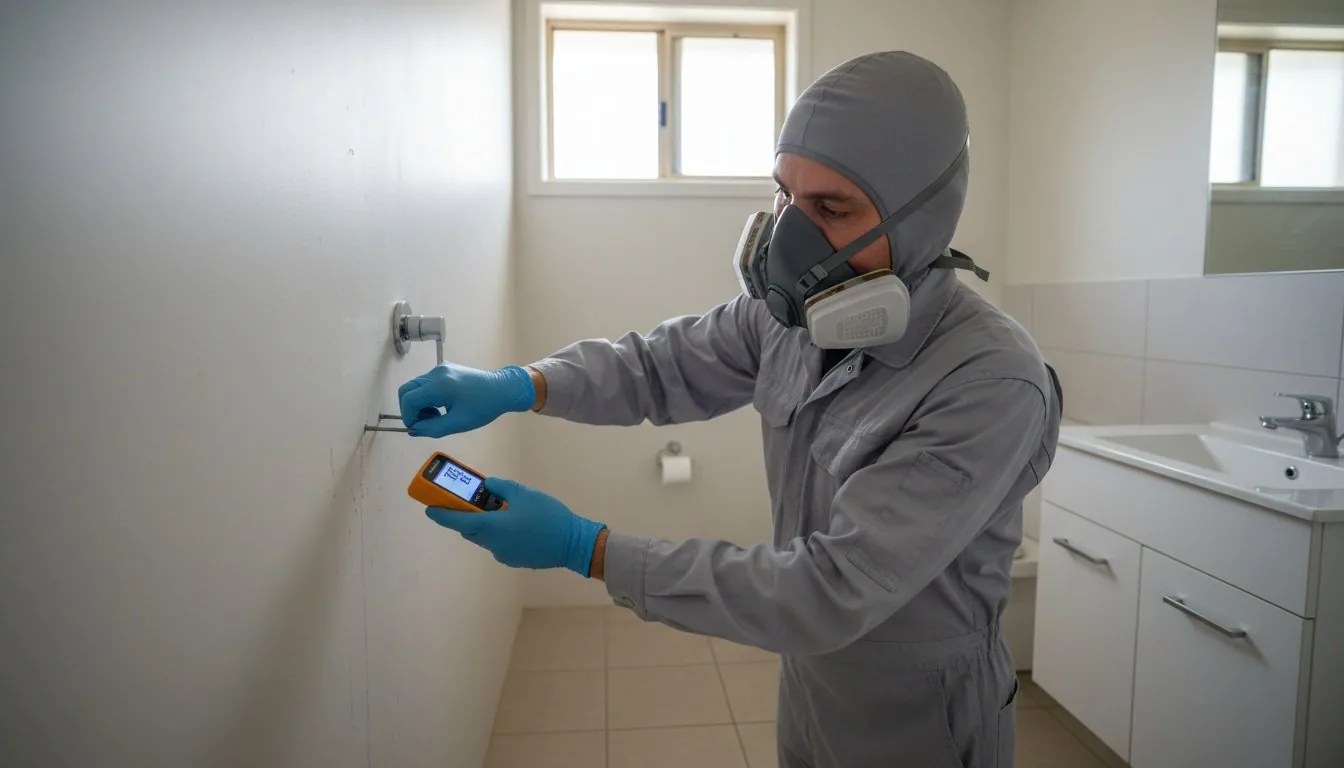
What Professional Mould Remediation Actually Involves
Professional mould remediation is fundamentally different from spraying bleach or mould killer on visible growth. Those products address surface mould only. They do not kill the root system (hyphae) that has penetrated into plasterboard, timber, grout, and other porous materials. Within weeks, the mould returns because the organism is still alive beneath the surface.
True remediation means removing the mould completely, including its root system, from all affected materials. For porous materials where mould has penetrated deeply (plasterboard, ceiling tiles, carpet, insulation), this often means physical removal and replacement. Non-porous surfaces (tile, glass, metal, sealed timber) can usually be treated and saved with professional antifungal and antimicrobial agents.
Containment & Prevention
Containment and Moisture Source Identification
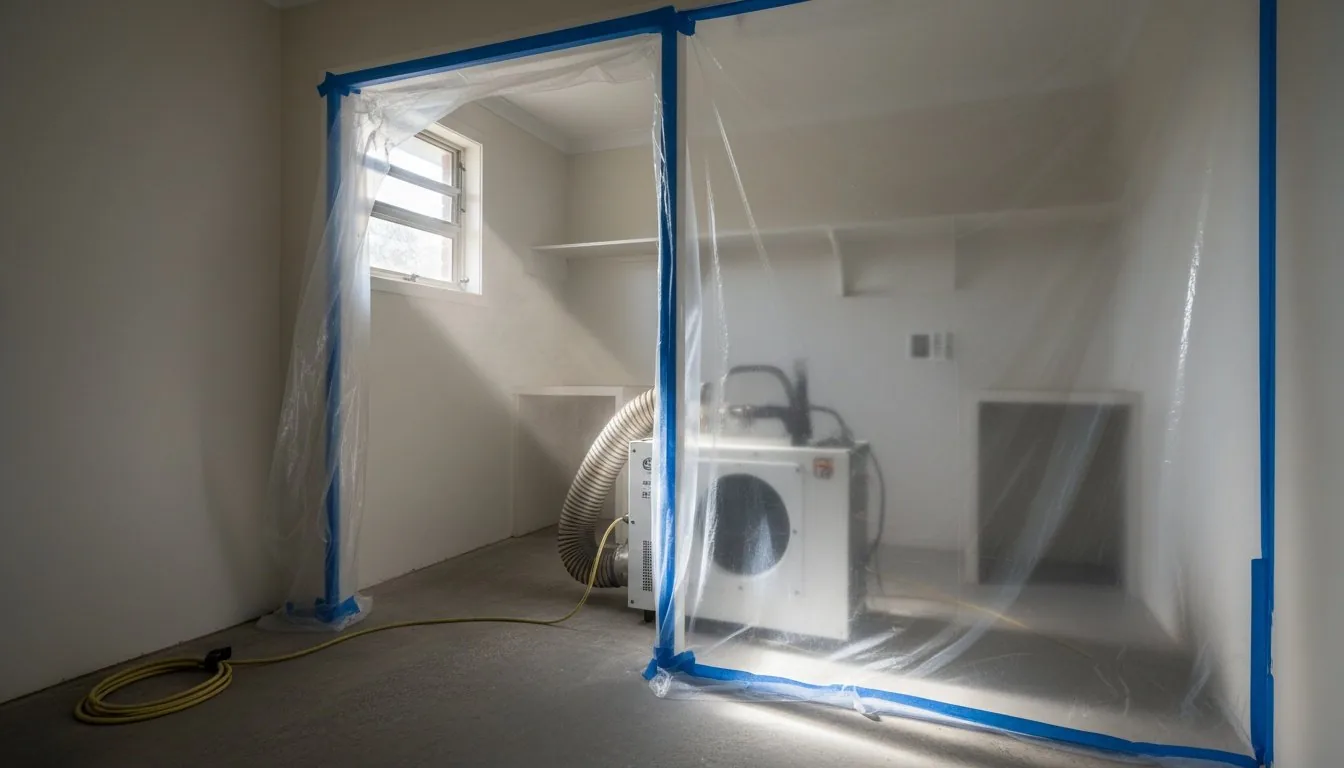
Containment is critical during remediation. Disturbing mould without containment releases millions of spores into the air, spreading contamination to previously unaffected areas of the property. We establish containment barriers using plastic sheeting and negative air pressure (HEPA-filtered air machines that pull air out of the contained area) to prevent spore migration during removal.
The most important part of mould remediation is identifying and eliminating the moisture source. Mould cannot grow without moisture. If you remove the mould but do not fix the leak, the condensation problem, or the ventilation deficiency that caused it, the mould will return. Every TACT remediation includes a thorough moisture investigation and specific recommendations for preventing recurrence.
From initial inspection through to post-remediation clearance testing, our service addresses every stage of the mould remediation process.
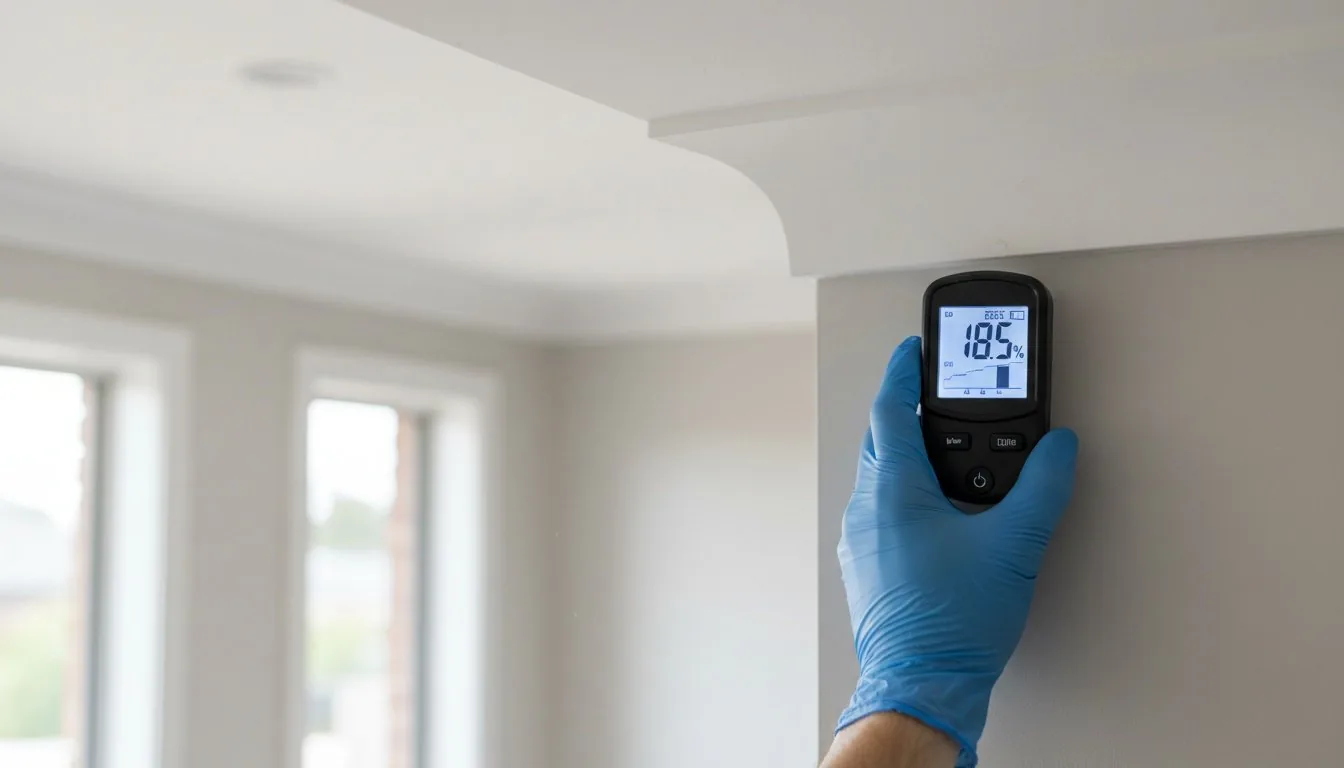
- Visual inspection and moisture mapping using thermal imaging and pin meters
- Air quality sampling and NATA-accredited laboratory analysis for mould species identification
- Full containment with plastic sheeting and HEPA-filtered negative air machines
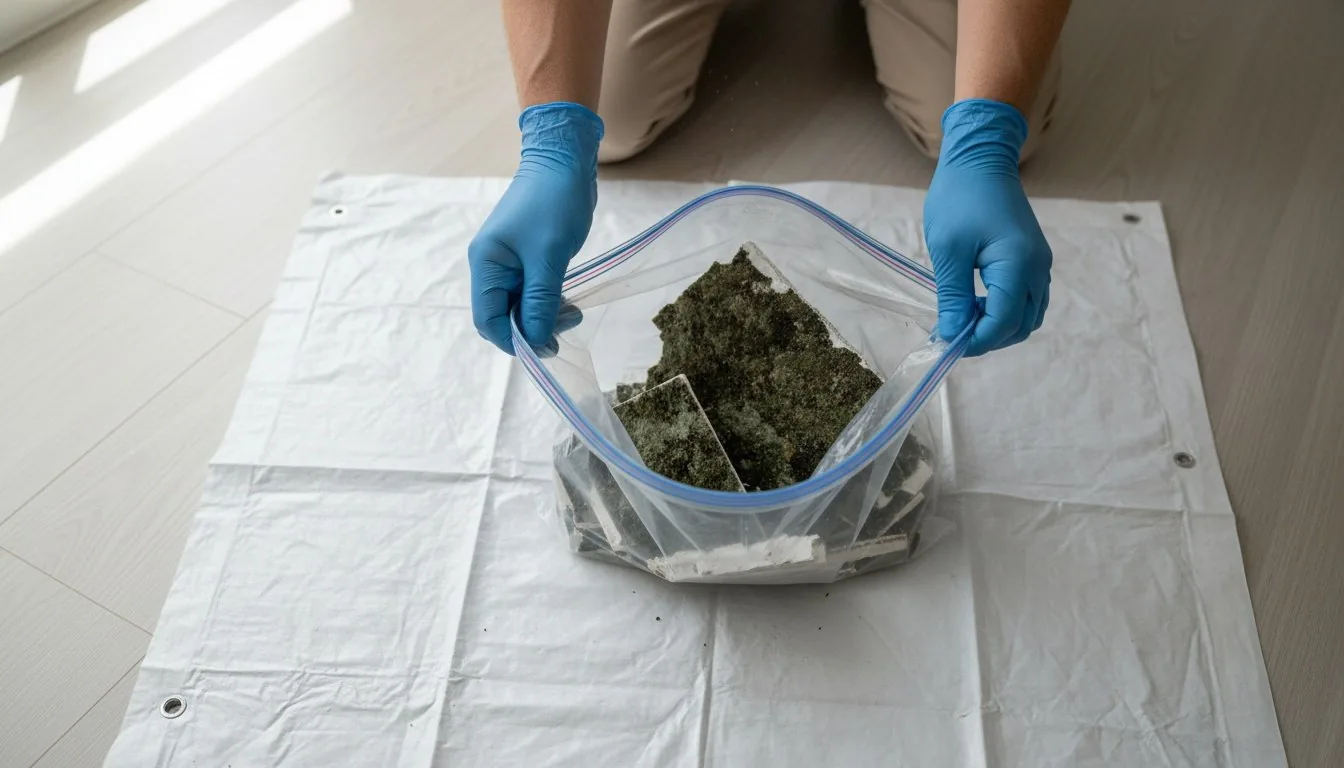
- Physical removal of contaminated porous materials (plasterboard, insulation, carpet)
- Antimicrobial and antifungal treatment of salvageable surfaces
- HEPA air scrubbing to remove airborne mould spores during and after remediation
- Moisture source identification: leaks, condensation, ventilation, rising damp
- Post-remediation clearance testing to verify spore counts are within safe limits
Why Melbourne Is a Mould Hotspot
Melbourne-Specific Causes of Mould in Homes
Melbourne's climate is uniquely conducive to indoor mould growth. The combination of moderate temperatures, high seasonal humidity, and frequent rain creates persistent moisture problems that many homes are not designed to handle. Melbourne receives rain on roughly 150 days per year, and winter humidity regularly exceeds 70 percent.
Many Melbourne homes, particularly those built before the 1990s, have inadequate ventilation by modern standards. Bathroom exhaust fans that vent into the roof cavity (rather than outside), no mechanical ventilation in laundries, and sealed-up sub-floor vents are all common. These design shortcomings trap moisture inside the building envelope where mould thrives.
Vulnerable Building Types
Which Melbourne Homes Are Most at Risk?
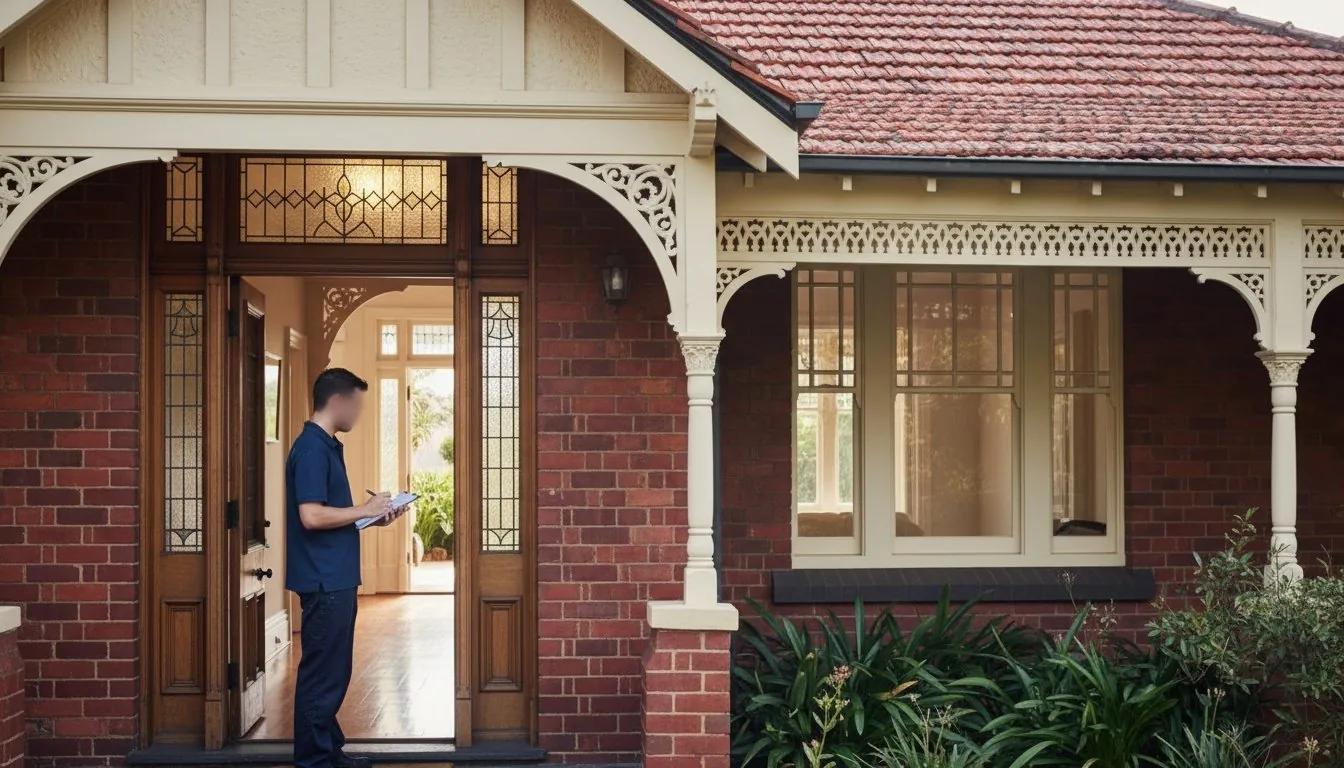
Specific Melbourne building types are particularly vulnerable. Weatherboard homes develop mould in wall cavities where moisture penetrates through ageing timber. Brick veneer homes (the majority of Melbourne's housing stock) develop condensation on the inner face of brick walls during winter, leading to mould on plasterboard. Apartments and units with limited cross-ventilation and no sub-floor suffer from persistent humidity.
Common triggers include bathroom and laundry steam that is not adequately exhausted, roof and gutter leaks (particularly after storms), plumbing leaks behind walls and under floors, rising damp in older homes without adequate damp courses, and condensation on single-glazed windows during winter. Understanding the specific cause is essential because the remediation approach differs for each.
Health Risks
When Is Mould Dangerous and When Can You Handle It Yourself?
The honest answer is that small areas of surface mould on non-porous surfaces (tile grout, glass shower screens, window sills) can often be managed with a mould-specific cleaning product and improved ventilation. If the affected area is less than one square metre and is on a non-porous surface, DIY is reasonable for healthy adults.
Professional remediation is needed when mould covers more than one square metre, when it is growing on porous materials (plasterboard, timber, carpet), when it has spread into wall cavities or ceiling spaces, when it is black mould (Stachybotrys chartarum), when occupants are experiencing health symptoms, or when DIY treatment has been attempted and the mould has returned.
Black Mould Warning
When Mould Becomes a Serious Health Threat
The World Health Organization identifies indoor mould exposure as a significant health risk. Mould produces allergens, irritants, and in some species, mycotoxins. Health effects include respiratory symptoms (cough, wheeze, shortness of breath), allergic rhinitis (runny nose, sneezing), skin irritation, eye irritation, and exacerbation of asthma. Children, the elderly, pregnant women, and immunocompromised individuals are most vulnerable.
Black mould (Stachybotrys) produces trichothecene mycotoxins that are linked to more severe health effects including chronic fatigue, neurological symptoms, and immune system suppression. If you suspect Stachybotrys (it appears as a dark greenish-black growth, often on wet plasterboard), do not disturb it. Call a professional for assessment.
Our Process
How Mould Remediation Works
1
Inspection & Testing
We inspect the property, map visible and hidden mould using moisture meters and thermal imaging, and collect air quality samples for laboratory analysis. We identify the moisture source and the mould species present. You receive a detailed report and fixed-price remediation quote.
2
Containment Setup
Plastic sheeting containment barriers are erected around the affected area. HEPA-filtered negative air machines create negative pressure inside the containment to prevent spore migration to unaffected areas of the property during removal.
3
Removal & Treatment
Contaminated porous materials are removed and disposed of. Salvageable surfaces are treated with professional antimicrobial and antifungal agents. HEPA air scrubbers run continuously to capture airborne spores. The area is cleaned and all containment waste is removed.
4
Clearance & Prevention
Post-remediation air quality testing confirms spore counts are within safe limits. We provide a clearance report and specific recommendations for preventing recurrence, including ventilation improvements, waterproofing repairs, or dehumidification strategies.
Pricing
How Much Does Mould Removal Cost in Melbourne?
The key cost driver is materials. Treating surface mould on tile is inexpensive. Removing and replacing mould-affected plasterboard, insulation, and timber is significantly more. Fixing the moisture source (replumbing a leaking pipe, replacing a roof valley, installing ventilation) is additional and usually done by the relevant trade.
Landlord insurance and home insurance may cover mould remediation if the mould was caused by a sudden event (burst pipe, storm damage). Gradual mould from poor ventilation is typically not covered. We provide documentation for insurance claims where applicable.
- Small contained area: $800 to $2,000
- Moderate (one room, plasterboard removal): $2,000 to $5,000
- Extensive (multiple rooms, wall cavities): $5,000 to $15,000+
- Mould inspection with air quality testing: $400 to $800
FAQs
Mould Removal Questions for Melbourne
Small areas cost $800 to $2,000. Moderate issues with plasterboard removal run $2,000 to $5,000. Extensive mould affecting multiple rooms or concealed spaces can cost $5,000 to $15,000 or more. A mould inspection with air quality testing costs $400 to $800 as a standalone service. We always provide a detailed quote before starting work.
Nothing kills mould permanently if the moisture source remains. Mould spores are always present in the air and will recolonise any damp surface. Professional remediation physically removes the mould (including root systems in porous materials), treats surfaces with antimicrobials to kill remaining organisms, and identifies the moisture cause so you can fix it. Without fixing the moisture source, mould will return regardless of treatment.
It depends on the extent. Small areas of mould on bathroom grout are common and generally low risk for healthy adults. However, indoor mould can trigger nasal congestion, wheezing, respiratory infections, and worsening asthma, as the Victorian Better Health Channel sets out. If you have extensive mould, mould in living areas or bedrooms, or if anyone in the household is experiencing respiratory symptoms, allergies, or other health issues, you should arrange professional assessment and consider alternative accommodation until remediation is complete.
Small areas (less than one square metre) on non-porous surfaces can often be managed with a mould-specific cleaning product. Professional remediation is needed when mould covers more than one square metre, affects porous materials like plasterboard, is in concealed spaces (wall cavities, ceiling spaces), is suspected Stachybotrys (black mould), or keeps returning despite DIY treatment.
The most common causes in Melbourne are inadequate bathroom and laundry ventilation (fans that vent into the roof instead of outside), condensation on cold surfaces during winter (single-glazed windows, external walls), roof or plumbing leaks, and blocked or sealed sub-floor ventilation. Melbourne's climate of moderate temperatures and high humidity is uniquely conducive to mould growth.
Under the Residential Tenancies Act 1997, landlords must maintain rental properties in good repair and fit for habitation. If mould is caused by structural issues (leaks, inadequate ventilation, rising damp), the landlord is generally responsible for remediation. If mould is caused by tenant lifestyle (drying clothes indoors, not using exhaust fans), the responsibility is less clear. Contact your property manager and we can provide an independent assessment.
Our standard mould inspection includes visual assessment, moisture mapping, and air quality sampling with NATA-accredited laboratory analysis. The lab report identifies the species and concentration of mould spores in the air, which tells us the severity of the problem and whether concealed mould is present even if not visible.
Yes. Our mould inspection is a standalone service. You receive a detailed report with findings, air quality results, moisture source identification, and recommendations. You can then decide whether to engage us for remediation or use the report with another provider. There is no obligation to proceed with remediation.
Concerned About Mould in Your Home?
Do not wait for it to spread. Call us for a professional mould assessment with air quality testing and clear advice on your options.
Get In Touch
Get Your Free Quote
Tell us about your mould situation and we will get back to you within 2 hours during business hours.